

Here is something worth sitting with for a moment. Heart disease is the number one cause of death for both men and women in this country. And yet, more than half of American adults don’t know that.
Two cardiologists recently shared something even more surprising. The heart symptoms people dismiss most often? They’re not dramatic. They’re the quiet, easy-to-explain-away ones, fatigue and shortness of breath.
“People who have these symptoms should talk to their doctor right away,” says Dr. Cheng-Han Chen, MD, a board-certified interventional cardiologist and medical director of the Structural Heart Program at MemorialCare Saddleback Medical Center in Laguna Hills, California.
So before you chalk something up to getting older or having a stressful week, it’s worth knowing what the cardiologists are actually watching for.
4 Heart Symptoms That Often Get Dismissed
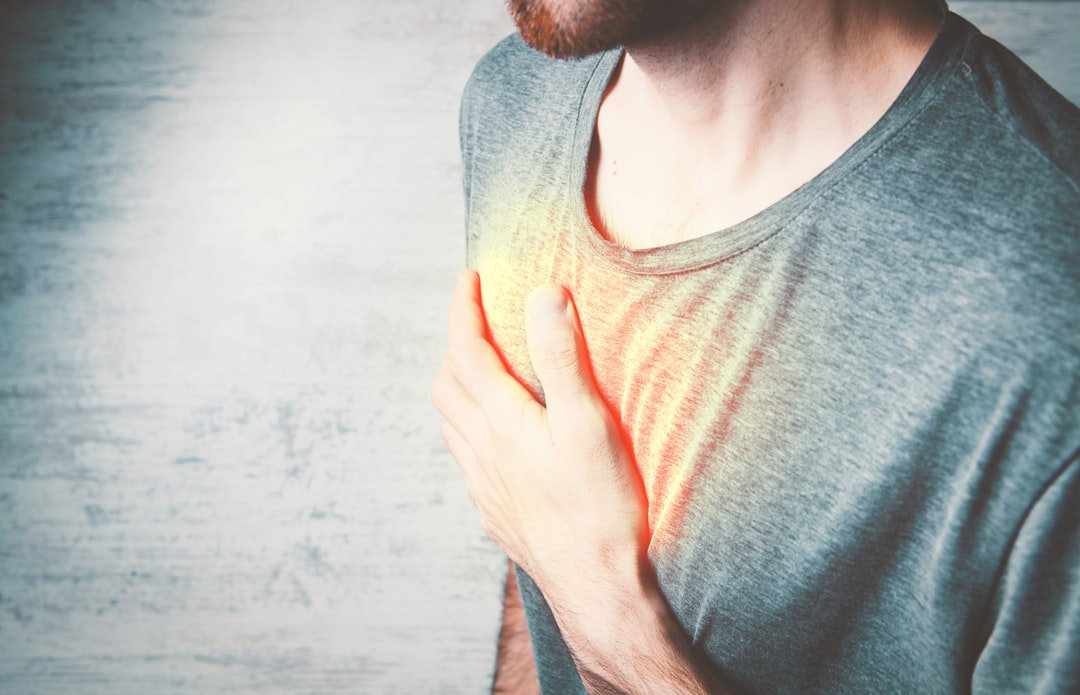
1. Chest pressure, tightness, burning, or heaviness
This one gets brushed off as heartburn, a pulled muscle, or a bout of anxiety. Sometimes that’s true. But chest discomfort — especially during physical activity can mean something more serious.
Dr. Jeffrey Tyler, MD, an interventional and structural cardiologist with Providence St. Joseph Hospital in Orange County, California, says these symptoms “can reflect reduced blood flow to the heart muscle due to blockages in the coronary arteries.” That’s not something to wait out.
2. Getting winded by things that used to feel easy
Climbing the stairs, walking to the mailbox, carrying groceries if these feel harder than they used to, it’s tempting to blame age or being out of shape. Dr. Tyler says that’s exactly what most people do.
But unexpected shortness of breath can signal blocked coronary arteries, heart failure due to a weak or stiff heart muscle, or arrhythmias from an irregular heartbeat. If it’s new or getting worse, that’s worth a conversation with your doctor.
3. Less energy for your everyday routine
This is different from being winded. It’s the feeling that you tire out faster than you used to — during a walk, doing yard work, or just getting through the day.
Dr. Tyler says a decline in stamina with routine activities “can signal reduced cardiac output or poor oxygen delivery due to heart disease.” It’s commonly dismissed as aging, poor sleep, or stress. All of those can certainly cause fatigue. But heart disease can, too.
4. Pain that shows up somewhere other than your chest
Cardiac pain doesn’t always stay in the chest. Because of shared nerve pathways, it can show up in the jaw, the left arm, the neck, or other areas. Dr. Tyler says this is often mistaken for arthritis, a neck problem, or sleeping in a funny position.
Pay particular attention if the discomfort gets worse with physical activity and feels better when you rest. That pattern matters.
Other Symptoms Worth Knowing
The four above are the most commonly dismissed, but there are others to keep in mind. These may appear gradually and include lightheadedness, fainting, palpitations, jaw or left arm pain, and swelling in the feet and legs.
Dr. Chen also points out that some heart disease has no noticeable symptoms at all. He calls this “silent” heart disease — heart damage that occurs without the typical warning signs, or with only minimal ones. This can happen because of underlying diabetic neuropathy, which reduces the perception of pain, or simply because people attribute what they feel to something else.
According to the CDC, up to one in five heart attacks are silent. Because of that, Dr. Tyler recommends knowing your personal risk factors — things like high blood pressure, high cholesterol, diabetes, or a family history of heart disease.
What To Do If You’re Concerned
Seeing a cardiologist doesn’t have to be intimidating. Dr. Chen explains that a visit typically starts with a review of your symptoms and a physical exam. From there, your doctor will likely perform an electrocardiogram, which is commonly called an ECG.
Depending on what they find, they may also order an echocardiogram — which is an ultrasound of the heart — or a stress test. You’ll know what’s going on. You won’t be left guessing.
Habits That Help Protect Your Heart
Dr. Chen recommends a heart-healthy diet low in sodium, regular physical activity, and avoiding alcohol and tobacco. Keeping your blood pressure and cholesterol under control, maintaining a healthy weight, getting quality sleep, and managing stress all matter, too.
But here’s the thing. Even if you do all of that — and good for you if you do — don’t ignore symptoms that feel off. Healthy habits and staying alert to warning signs work best together.
If something doesn’t feel right, trust that instinct. Then call your doctor.