


A good night’s sleep feels harder to come by the older we get. But here is some genuinely welcome news: what you eat in the evening may actually help.
Dietitians say certain foods provide the nutrients your body needs to produce melatonin, the hormone that signals to your brain it is time to sleep. Others help keep blood sugar steady through the night so you are not tossing and turning at 2 a.m.
That said, food is not a magic cure. Keri Gans, RDN, host of The Keri Report podcast, puts it simply: “What you eat can subtly affect how well you sleep.” And registered dietitian Jessica Cording, author of The Little Book of Game Changers, adds that foods “can provide certain nutrients that can be supportive of sleep”, including the right balance of protein, fat, and carbohydrates.
One more thing to keep in mind: timing matters. Sandra Zhang, RDN, at the Frances Stern Nutrition Center at Tufts Medical Center, says it takes about three hours for your stomach to empty after eating. Eating too close to bedtime can cause acid reflux. So aim to finish your evening snack well before you turn in.
With that in mind, here are the 10 foods dietitians most recommend for better sleep.
Kiwi
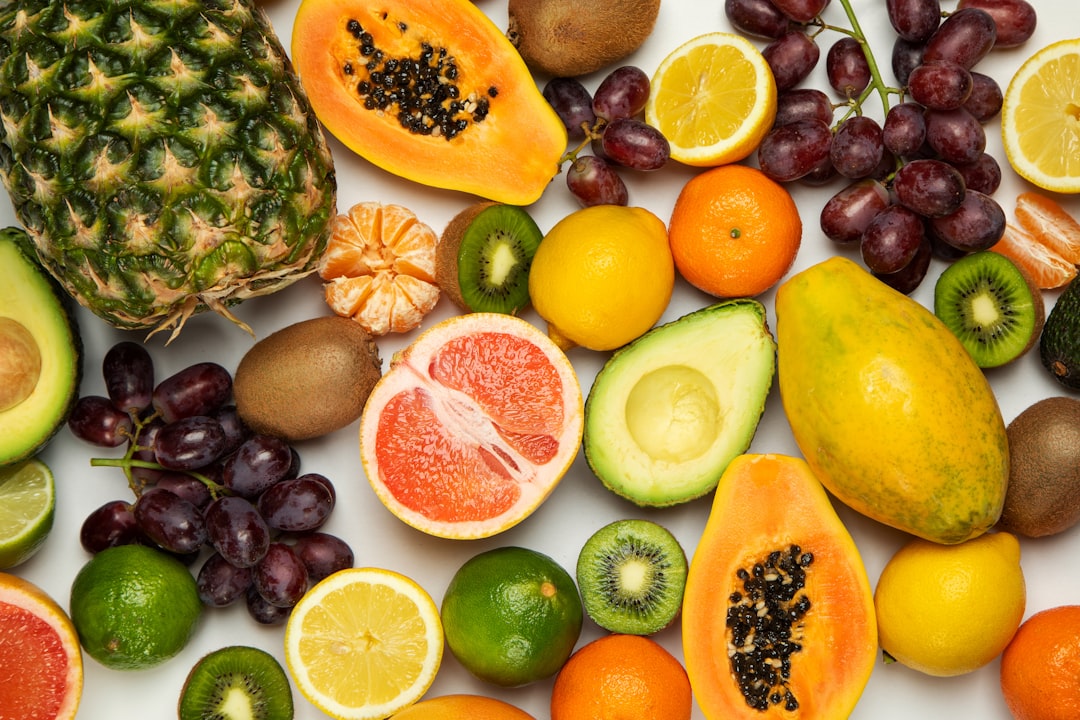
This small fruit packs a real punch at bedtime. Kiwi is a good source of magnesium, which helps calm the nervous system and supports melatonin production, according to Cording. A study published in the journal Nutrients had participants eat two medium-sized kiwis before bed every night for four weeks. The researchers found “clinically significant improvements” in sleep quality.
Turkey
There is a reason you feel relaxed after Thanksgiving dinner. Turkey contains tryptophan, an amino acid that the body uses to make both melatonin and serotonin, the hormone that regulates mood and the sleep-wake cycle. Zhang says it “helps with relaxation and sleep.” It probably will not knock you out, but Cording says it can help you wind down.
Eggs
Eggs do triple duty here. They contain tryptophan, just like turkey. They also provide protein and vitamin D, which Gans says aids sleep regulation and keeps hunger from waking you up. On top of that, eggs contain vitamin B6, which Zhang says “helps convert tryptophan to serotonin.” And eggs even provide a small amount of melatonin directly. Cording calls them “a great option if you want a little support” and loves the idea of breakfast for dinner.
Tart Cherries
Tart cherries and tart cherry juice contain natural melatonin, says Christen Cooper, RDN, an associate professor in the College of Health Professions at Pace University. A scientific analysis published in the journal Food Science & Nutrition in 2025 found that drinking about an ounce of tart cherry juice daily for seven days increased both total sleep time and sleep efficiency — the percentage of time you actually spend asleep while in bed.
Milk
There is a reason warm milk before bed has been a bedtime tradition for generations. Milk provides tryptophan, calcium, and protein. Cording says the protein helps stabilize blood sugar overnight, which is important for uninterrupted sleep. Calcium plays a role, too. “It also helps the body settle down for sleep,” she says.

Bananas
Bananas bring magnesium and potassium to the table, both of which help with muscle relaxation, says Gans. They also contain vitamin B6, which supports melatonin production and helps the body produce tryptophan and serotonin. A small study of 21 people with insomnia found they slept better after eating a banana or drinking a glass of milk before bed.
Avocados
Cording says she often recommends avocados for sleep. They deliver magnesium and unsaturated fats, which Gans links to relaxation and more stable energy overnight. The fiber in avocados also helps manage blood sugar, according to Zhang.
A randomized controlled trial of 969 people, published in the Journal of the American Heart Association, found that adults who ate one avocado a day for six months reported better sleep than those who ate fewer than two avocados a month. Worth noting: the study was not originally designed to look at sleep specifically.
Sweet Potatoes
Sweet potatoes provide complex carbohydrates and potassium. Gans says they “may promote relaxation and help maintain steady blood sugar levels during sleep.” Cording calls them “a fantastic source of potassium,” and a medium sweet potato delivers up to 16 percent of the recommended daily allowance.
Walnuts
Walnuts contain both magnesium and natural melatonin, says Zhang. A randomized trial of 76 young adults published in 2025 found that when participants ate 1.4 grams of walnuts with dinner every day for eight weeks, they fell asleep faster and had better sleep quality than when they skipped the walnuts.

One Last Thought
None of these foods is a cure-all. But they are delicious, easy to find, and give your body real support at the end of the day. That is a pretty good deal.
If you are eating well, practicing good sleep habits, and still struggling to rest, Cording suggests talking to a sleep medicine specialist. Food can only take you so far, but it is a wonderful place to start.