


Four board-certified dermatologists were asked the same question: what is the single habit that makes skin look older faster than anything else? All four gave the same answer without hesitation.
Skip sunscreen, and your skin pays for it for decades.
Why Skipping Sunscreen Does So Much Damage
Dr. Whitney Hovenic, a double board-certified dermatologist and Mohs surgeon, calls it “the number one habit I see that ages my patients’ skin faster than anything else.” UV radiation breaks down the skin, causes dark spots, and creates the fine lines and rough texture that add years to your face.
Here is the part that surprises most people. Dr. Hovenic explains that “even on cloudy days or when you’re mostly indoors, UVA rays can penetrate windows and contribute to cumulative skin damage over time.” You do not have to be sitting on a beach. Just driving to the grocery store counts.
Dr. Brendan Camp explains what is happening under the surface. UV exposure “breaks down collagen and elastin, the structural proteins that keep skin firm and smooth,” leading to wrinkles, discoloration, and loss of elasticity. Even brief daily exposure without protection adds up. The damage is slow and silent — until one day it is not.
Dr. Nicole Lee points to something she calls the real culprit: not big beach vacations, but “incidental daily exposure, like commuting, walking outside or sitting near windows.” That steady drip of unprotected exposure is what accelerates skin aging the most. Dr. Chang Son adds that tanning beds “only multiply these same risks.”
What Else Speeds Up Skin Aging
Sun damage is the biggest factor, but the doctors point to several other habits that accelerate the process. Smoking restricts blood flow to the skin, according to Dr. Camp, and introduces oxidative stress that damages collagen and elastin.
Poor sleep is another one. Dr. Hovenic notes that not getting enough rest shows up as “dullness, puffiness, and accelerated breakdown of collagen” because the body does not have time to repair itself overnight.
Dr. Lee introduces a concept called inflammaging, in which low-grade chronic inflammation quietly accelerates skin aging over time. Smoking, poor sleep, over-exfoliating, and a poor diet all contribute to it.
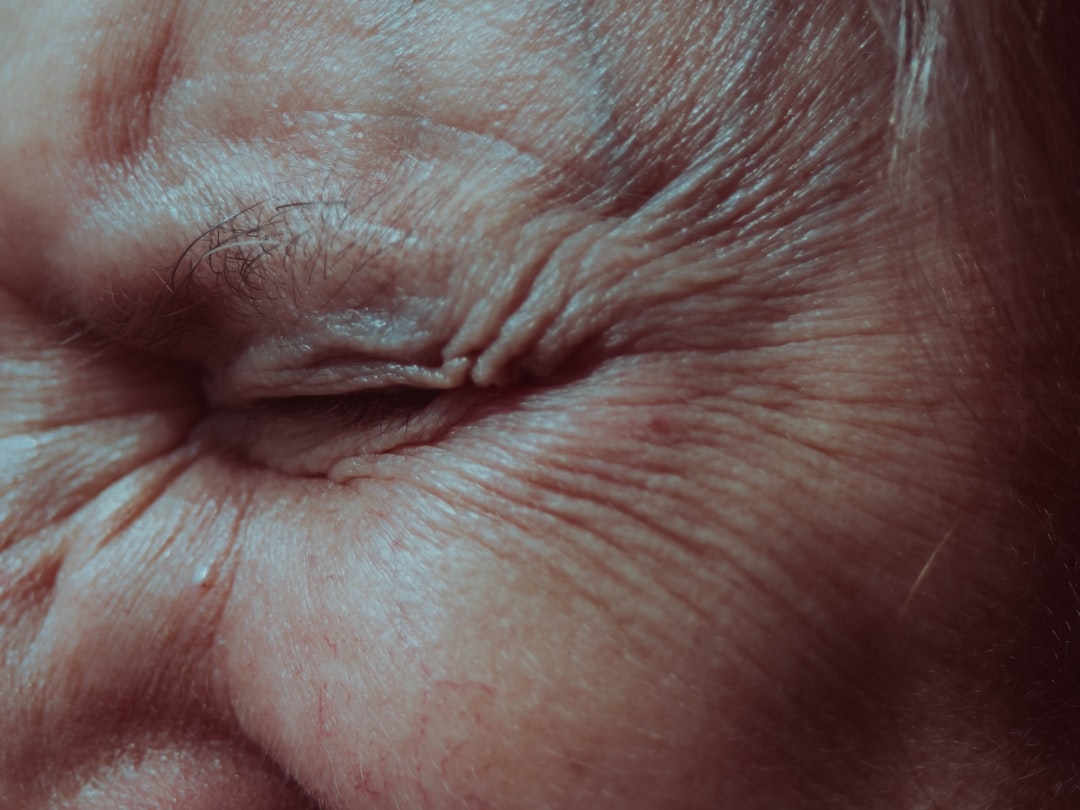
Diet matters more than most people realize, Dr. Camp says. A high intake of processed foods and sugar promotes glycation, “a process that weakens collagen fibers.” Untreated skin conditions like rosacea also contribute to premature aging. So does repeatedly making the same facial expressions, like frequent frowning, which deepens expression lines over time.
And one that often gets overlooked: skipping moisturizer. Dr. Hovenic says that “dehydrated skin emphasizes fine lines and loses the plump, healthy look that keeps skin appearing fresh and youthful.”
What You Can Actually Control
The dermatologists describe skin aging in two categories. Intrinsic aging is genetic and involves the gradual slowdown in collagen production, cell turnover, and facial volume that comes with time. Dr. Son is straightforward about this one: “not much can be done to directly address intrinsic factors.”
Extrinsic aging is a different story. That is the damage driven by UV exposure, pollution, smoking, and diet. This is where you have real power. Addressing these factors, Dr. Hovenic says, “can make a meaningful difference in how skin looks and feels over time.”
Simple Steps That Make a Real Difference

All four doctors agree on the foundation: daily sunscreen, a gentle cleanser, and a moisturizer. Start there, and you have covered the most important ground.
Beyond the basics, Dr. Hovenic strongly recommends adding a retinoid, which she calls “one of the most well-studied ingredients for stimulating collagen production and supporting healthy cell turnover.” Dr. Camp suggests pairing it with an antioxidant such as vitamin C to help neutralize free-radical damage.
Professional treatments can add to the results. Dr. Hovenic mentions fractionated laser treatments that “create controlled microthermal zones within the skin” to stimulate collagen. Dr. Lee notes that lasers, radiofrequency, and ultrasound can help further, but says they “work best when combined with good daily skincare habits.”
The lifestyle side matters just as much as any product. Staying well hydrated, eating antioxidant-rich foods, managing stress, and getting quality sleep all help keep skin healthy and resilient over the long term, according to dermatologists.
The good news? The single most powerful thing on this entire list costs a few dollars and takes ten seconds in the morning. Do not skip the sunscreen.