


Here is some genuinely good news if you have been thinking about trying Pilates: it is never too late to start.
Dr. Adefemi A. Betiku puts it simply. “Our bodies are incredibly powerful and capable of adapting to new activities,” he says. There is absolutely nothing wrong with picking up a brand-new workout routine at 60 or older.
And Pilates, in particular, may be one of the best choices our generation can make right now.
Why Staying Active Matters More After 60
As we age, we naturally lose lean muscle mass, about 3% to 8% per decade after age 30. Bone density declines, too, which raises the risk of falls and fractures. Staying active helps preserve strength, keep up with daily tasks, and live independently.
The challenge is finding the right kind of exercise. Not everything is easy on aging joints or recovering bodies.
What Makes Pilates a Smart Fit for Older Adults
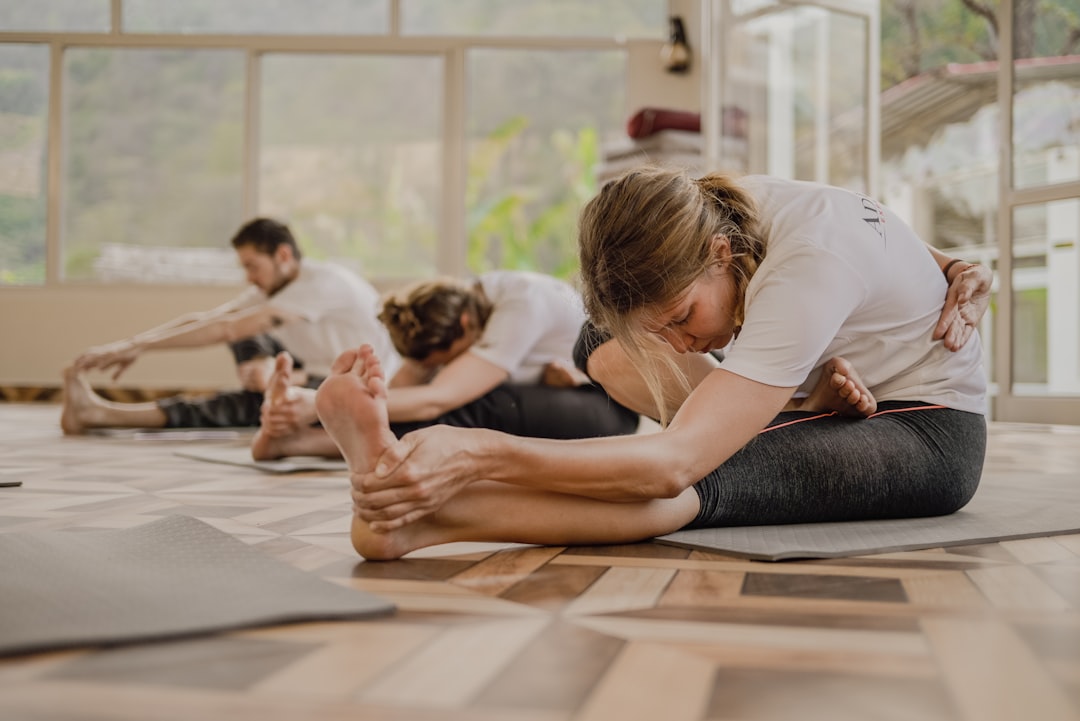
Pilates is low-impact and gentle on the joints. That makes it a strong option for anyone dealing with arthritis or recovering from an injury. It works the deep core muscles, which helps with balance and posture. And it can be adapted to just about any fitness level or physical limitation.
Ajia Lee Forster, Pilates instructor and founder of Move Union, says the benefits go beyond the obvious. “Pilates is incredibly effective for older adults because it improves strength, posture, mobility, balance and coordination without putting excessive stress on their joints,” she explains.
Dr. Betiku calls it “a cornerstone for longevity training” because it builds real strength while staying completely low-impact. He adds that many other exercise routines focus on strengthening but miss flexibility, mobility, and bone growth. Pilates, he says, can address all of those categories safely.
The Right Way to Begin
Both instructors agree on one thing: start slow. Dr. Betiku recommends finding an introductory-level class or, even better, booking a private session first. The goal is to get comfortable with the equipment and learn how your body responds to the movements.
“Issues usually occur at this age with new exercises when individuals are participating in a new routine that can be too aggressive right out of the gate,” Dr. Betiku says. “A foundational approach allows you to learn the equipment, understand your body’s mechanics, and build a strong fitness base that minimizes the chances of injuries.”
Forster encourages beginners to focus on four basics first: breathing, posture, spinal alignment, and core support. When you understand and use Pilates breathwork well, she says, it can make a difference in your everyday life, not just during class.
Movements Worth Starting With
Dr. Betiku recommends exercises that target glute and core strength early on. Two good starting points on the reformer are “Footwork” and “Bridging.” Both support joint health, lower-body strength, and endurance.
Forster also suggests reformer lunges for standing balance, along with a simple core move called toe taps. Here is how each one works.
Reformer Lunges
- Stand on the reformer carriage with one foot forward on the platform and the other back on the carriage, in a split stance.
- Keep your torso tall and your hips facing forward.
- Engage your core.
- Bend both knees to lower into a lunge, letting your back knee drop toward the carriage.
- Press through your front heel and back toes to rise back up.
- Switch sides and repeat.
Toe Taps
- Lie flat on your back with your knees bent in a tabletop position.
- Brace your core and press your lower back into the mat.
- Slowly lower one foot to tap your toes on the mat.
- Lift that foot back to tabletop position.
- Repeat on the other side and continue alternating.
One last piece of advice from the instructors: do not take on more than your current fitness level allows. Skip the advanced classes for now. Respecting where your body is today is exactly how you build strength that lasts.