

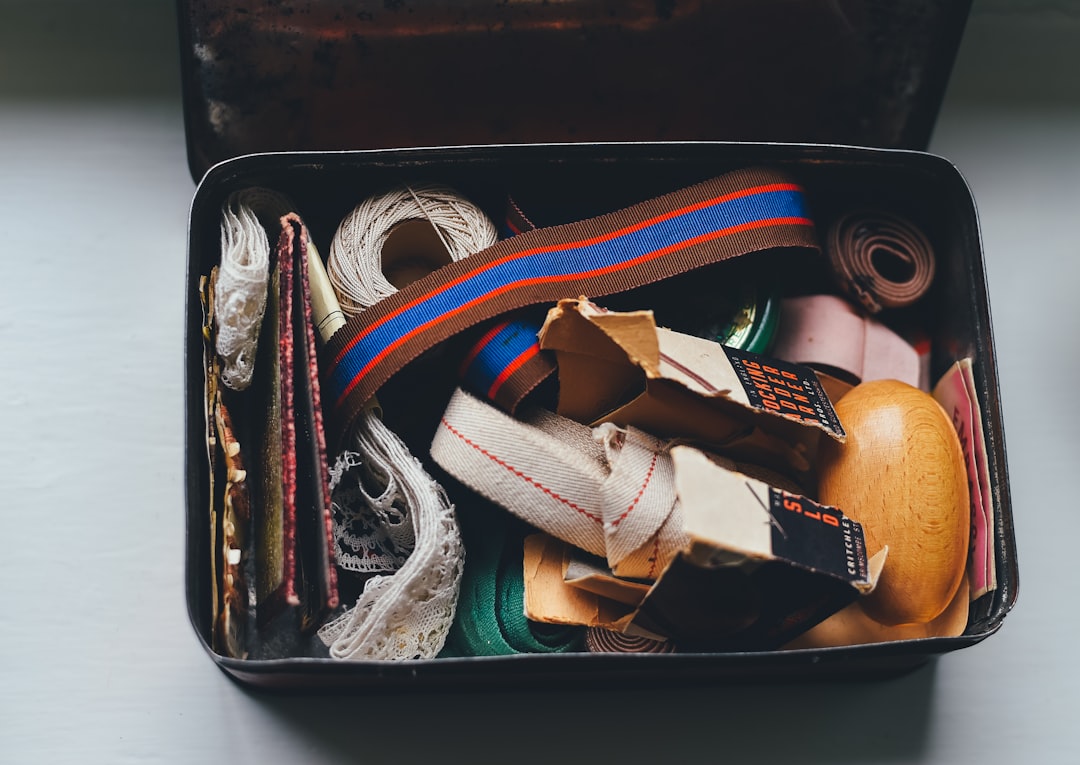
Almost every home has a junk drawer — a place where small, important, or once-useful items land because there’s nowhere else for them to go. With a little intention, that drawer can become something far more meaningful: a compact record of everyday life and personal history.
Empty the Drawer and Sort by Story
Start by emptying the drawer completely. As you handle each item, ask one simple question: What part of my life does this belong to? You’ll likely find old keys, ticket stubs, coins, matchbooks, notes, buttons, or tools. Instead of sorting by object type, group items by story — former homes, work life, travel, family routines, or hobbies.
Choose What Represents, Not What Accumulates
A personal history drawer doesn’t need everything. If you have five old keys, keep one that best represents that chapter — perhaps the key to a first apartment or long-time home. One transit token, one foreign coin, one folded note is often enough. The goal is representation, not completeness.
Add Simple Context
Slip a small handwritten note beneath each grouping. One sentence is plenty:
- “Keys from the house where we raised the kids.”
- “Coins kept from trips taken in the 1980s.”
- “Notes written during night shifts.”
Context turns anonymous objects into understandable history — especially for someone else one day.
Create Gentle Structure Inside the Drawer
Use small boxes, envelopes, or dividers you already own to separate sections. There’s no need for uniform containers. The structure should feel loose and accessible, not curated or precious. You want to be able to open the drawer and explore without effort.
Let It Remain a Living Space
This drawer doesn’t have to be finished. It can evolve as you come across meaningful items worth keeping small and close. The difference is intention: items enter the drawer because they matter, not because they’re homeless.
Why This Works
A personal history drawer keeps memory grounded in the ordinary. It honors the small objects that carried daily life — not just milestones, but texture.