

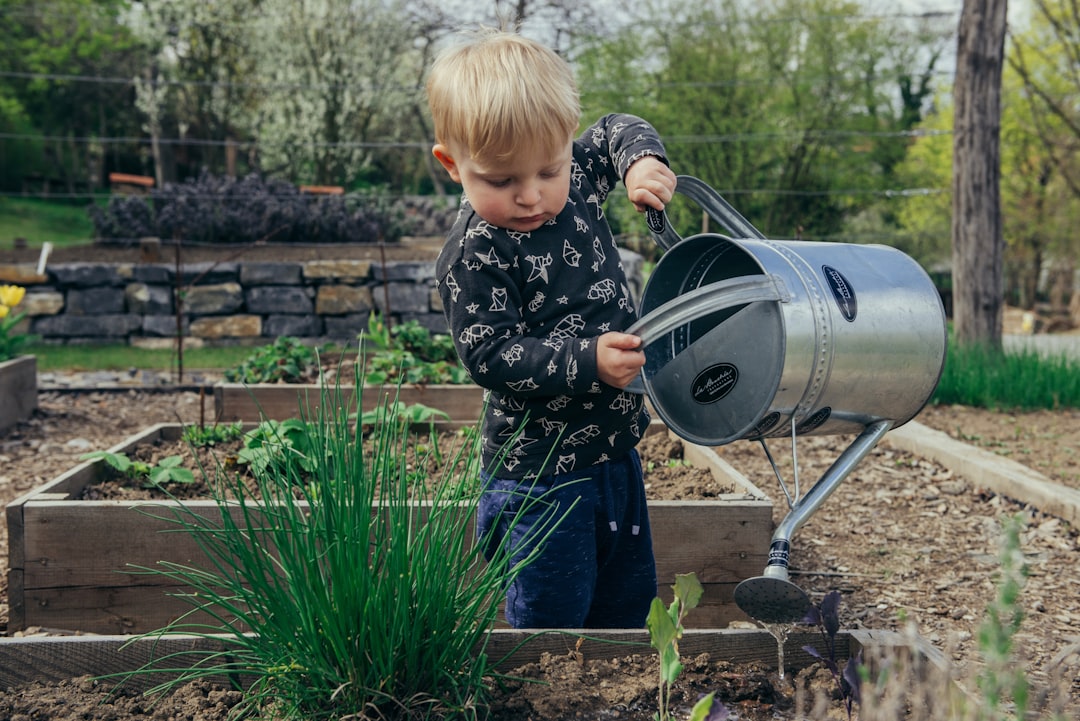
Some of the best conversations with grandchildren happen while nobody is sitting down specifically “to talk.”
Children often open up most naturally during shared activities—baking cookies, sorting cards, walking the dog, working on a puzzle, or helping carry groceries inside. The task creates just enough structure and distraction to make the conversation feel easy rather than pressured.
Side-by-Side Activities Are Less Intense
Many children talk more comfortably when attention is shared between conversation and an activity.
Sitting face-to-face and asking direct questions can sometimes seem formal or even confrontational. But when hands are busy, conversation frequently unfolds naturally alongside the task. A child stirring brownie batter may suddenly begin describing something that happened at school without much prompting at all.
Tasks Create Natural Pauses
Activities allow conversations to breathe. People can pause to concentrate briefly, return to the discussion, or change subjects without awkwardness. The rhythm becomes flexible rather than forced.
That relaxed pacing helps children continue talking longer than they otherwise might.
Shared Focus Reduces Pressure
During tasks, when attention is divided between the activity and the conversation itself, children don’t feel like they are being intensely observed or evaluated. This makes it easier for thoughts, worries, funny stories, or small observations to surface casually.
Indeed, some of the most meaningful comments arrive in the middle of entirely ordinary, even unrelated, moments.
Participation Creates Comfort
Helping with real tasks also makes children feel included and capable. These tasks can run the full gamut:
- setting the table
- planting flowers
- organizing game pieces
- wrapping gifts
- washing vegetables
- feeding pets
The task itself matters less than active involvement. Being trusted with small responsibilities encourages connection and confidence simultaneously.
Familiar Activities Grow into Conversation Rituals
Over time, certain tasks develop their own conversational rhythm. Long drives, evening meals, baking sessions, or walks around the block transform into reliable occasions when children naturally talk more openly because the environment feels familiar and safe.
Why This Matters
Children often communicate most honestly when conversation isn’t the sole focus. Shared tasks foster comfort, rhythm, and side-by-side connection, and when combined, these qualities allow real conversations to emerge naturally.