

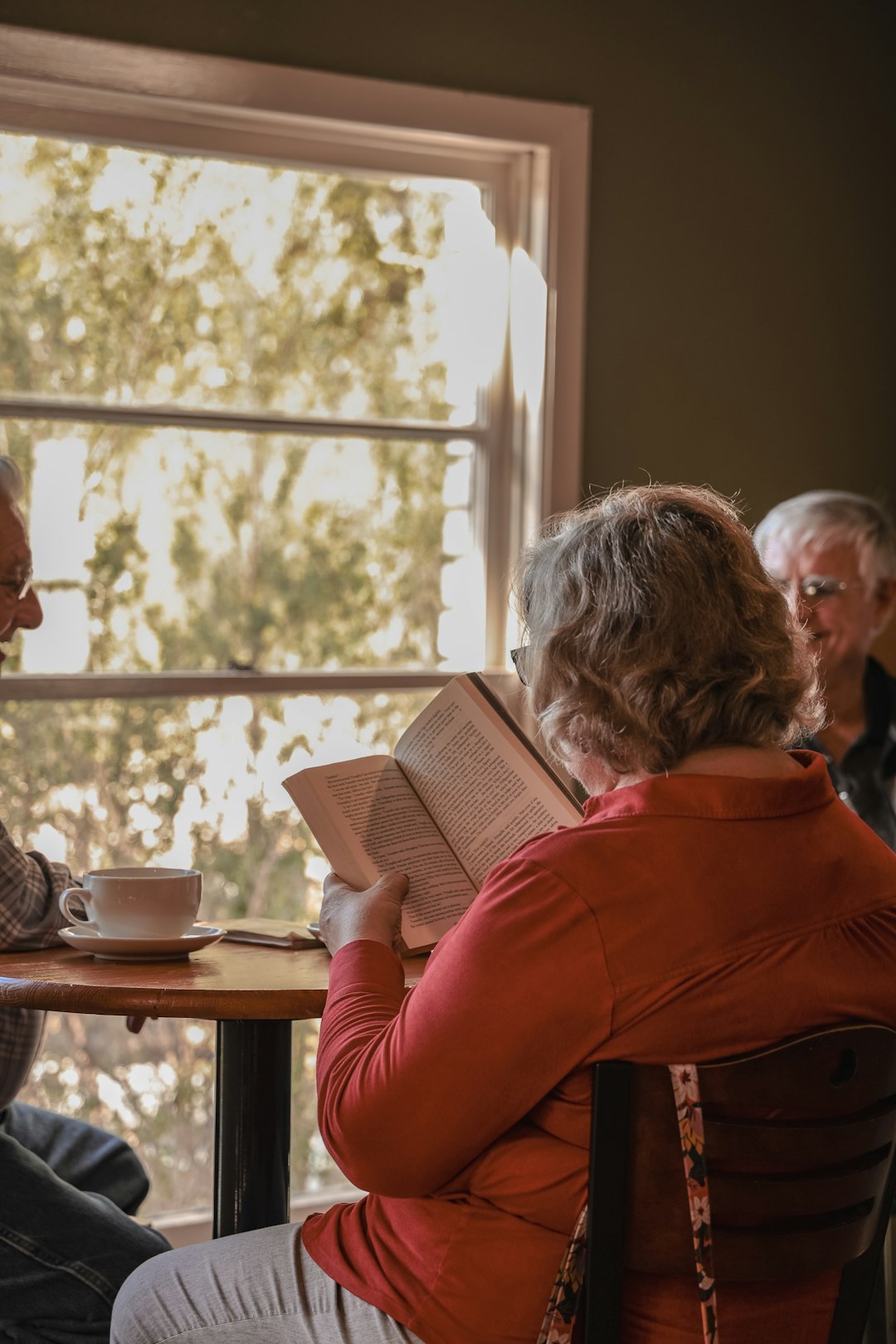
Reading shouldn’t seem like a task to complete or a standard to meet. Many people spend years feeling subtly pressured to read the “important” books, finish books quickly, or stay current with what everyone else seems to be discussing—making reading more performance than leisure.
Conversely, many find reading more enjoyable once those pressures fall away.
Reading Becomes More Personal Over Time
Earlier in life, reading can sometimes feel tied to productivity, education, or self-improvement, with each book read becoming a checkmark on a frequently predetermined list. Everyone knows the classics assigned in school: Romeo and Juliet, Pride and Prejudice, To Kill a Mockingbird, Animal Farm, etc. While these books have gained prominence for good reason, reading them for class can often turn classics into chores.
This dynamic often extends beyond the classroom. Some people choose books because they feel they should read them rather than because they genuinely want to.
Over time, however, many readers begin trusting their own curiosity more. A person may suddenly spend weeks reading about gardens, history, architecture, mysteries, fantasy, or travel simply because the subject feels absorbing—not because it appears impressive.
Abandoning Books Becomes Easier
One subtle shift many readers experience is becoming more willing to put a book down for good when it doesn’t hold their attention.
Younger readers tend to push through out of obligation—a habit likely stemming from school assignments. Later on, though, many realize that reading is more enjoyable when books genuinely engage them. Setting a book aside no longer feels like failure—it simply feels like respecting your own time.
Slower Reading Can Feel Richer
Reading without pressure, especially without a looming deadline, allows people to linger. You may reread paragraphs, pause to think, look something up, or stop after a single chapter simply because it gave you enough to sit with for a while. The experience becomes less about completion and more about absorption.
Taste Becomes More Specific
As with most things, the more time someone has spent reading, the better they recognize their preferences. Someone who loves biographies, nature writing, detective novels, or books about old houses may stop apologizing for not reading what’s currently fashionable or historically prestigious. Personal taste becomes more trusted, and more valued, than outside expectations.
Reading Creates a Different Kind of Time
One of reading’s greatest benefits is its effect on your experience of the world. Notably, reading changes the pace of attention. While activities like hiking or cooking induce their own forms of relaxation, sitting with a book creates a slower mental rhythm that many find particularly satisfying amid the bustle of life.
When you flip open the cover, the outside world recedes a little, and time feels quieter and more focused. Even a short period of reading can seem like stepping briefly outside the noise of the day.
Why This Matters
Reading becomes more meaningful when it stops feeling performative. Letting curiosity, enjoyment, and attention guide your reading choices often leads to a deeper and more lasting connection to the books themselves and to a greater likelihood of picking up the next book.