

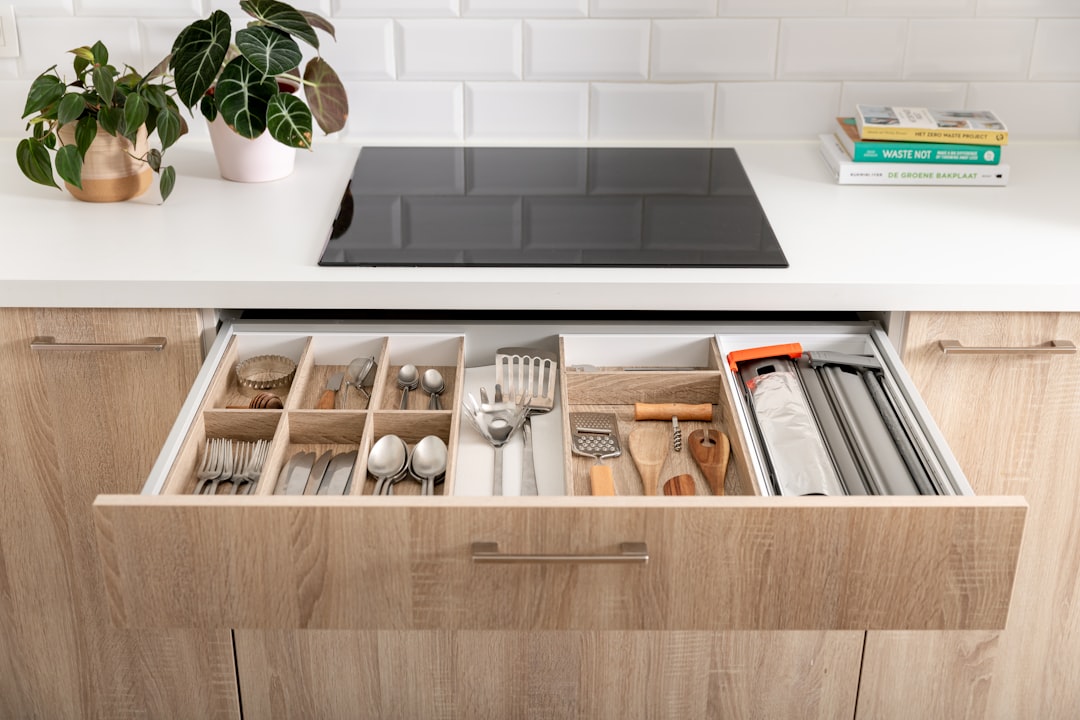
Most daily frustrations at home don’t come from big problems—they come from small, repeated inconveniences. Reaching for something that’s never where you expect it, walking back and forth repeatedly for one task, or dealing with clutter that slowly spreads. The good news is that small, targeted adjustments can remove a surprising amount of that friction.
Put Frequently Used Items Where You Actually Use Them
Instead of organizing by category, organize by behavior. If you always open mail near the front door, keep a letter opener, pen, and small tray right there. If you tend to take medications in the kitchen, store them in a consistent, visible spot rather than a separate cabinet. Matching placement to habit reduces the need to think or search.
Create a “Drop Zone” That Contains Clutter
Clutter often spreads because there’s no defined place for everyday items. A small basket, tray, or drawer near the entry can hold keys, glasses, receipts, or mail. When everything lands in one contained spot, it prevents surfaces from gradually filling up.
Reduce Steps in Repeated Tasks
Pay attention to tasks you do every day—making tea, getting dressed, preparing meals. If you’re walking across the room multiple times to complete one task, something is out of place. Moving items closer together—like keeping mugs beside the kettle or your reading glasses near where you sit—can turn a scattered routine into a smooth one.
Make One Area Easier to Maintain
Choose one space—like a kitchen counter or bedside table—and simplify it. Remove anything that doesn’t belong, and only keep what you use regularly. When one area stays consistently clear, it creates a sense of order that often spreads to other spaces.
Replace “Nice” With “Easy to Use”
Some items look good but are inconvenient to use—heavy dishes, hard-to-open containers, or tools that require extra effort. Swapping these for simpler, more practical versions can quietly improve your daily experience without changing your routines.
Why This Matters
Small adjustments reduce the number of minor decisions and interruptions in your day. When things are where you expect them to be, everything feels more manageable.
Sponsored Content
Surgery Recovery Starts Before Surgery

Many patients prepare for the procedure itself — but not recovery afterward. HealFast provides physician-formulated nutritional support designed specifically for surgical recovery.