

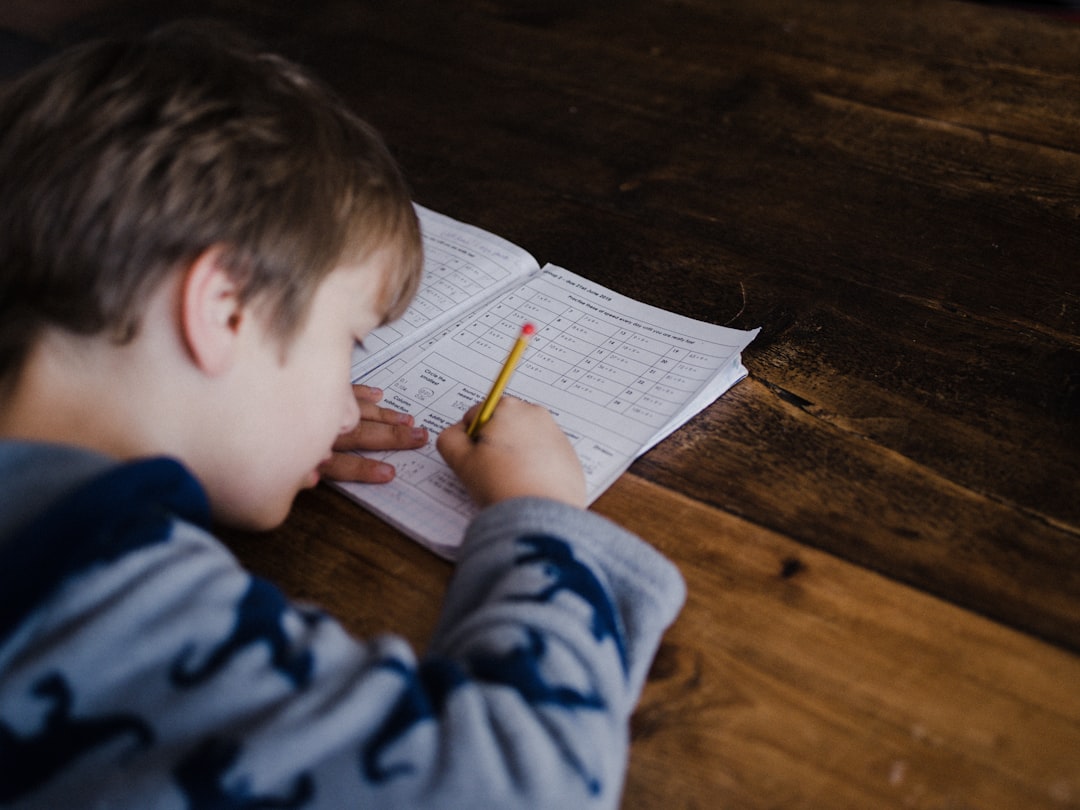
Sound familiar? Your grandchild sits at the homework table, staring at the ceiling. You offer a treat. Maybe a trip to get ice cream if they finish. Nothing moves. You wonder what on earth is going on in that little head.
Four child psychologists have an answer and it might surprise you.
The Real Secret: Internal Drive
All four psychologists agree on one thing. The most powerful motivation for kids is not a reward at all. It is what they call intrinsic motivation: doing something because it feels personally satisfying, not because a prize is waiting at the end.
Compare that to reward-based motivation, where kids are only moving toward a sticker chart or a toy. That kind of motivation fades fast. Once the reward disappears, so does the effort.
Dr. Ioana Pal, Psy.D., a licensed clinical psychologist at Stramski Children’s Development Center at Miller Children’s & Women’s Hospital, explains it plainly. “When rewards become the primary reason for behavior, children may begin focusing on the reward rather than the value of the activity itself,” she says.
She notes that over-relying on rewards can reduce a child’s enjoyment of the activity, create a “What’s in it for me?” mindset, and cause motivation to disappear once the rewards stop. A child who once read for fun may only pick up a book if something is in it for them.
What Gets in the Way of Motivation
Dr. Amy Kincaid Todey, Ph.D., a clinical psychologist, says that when a child seems unmotivated, it is usually a symptom of something else. She suggests asking not “How do I motivate my child?” but “What is getting in the way?”
A child might appear to not care because the task is too hard, too easy, or feels pointless. They might be anxious about failing, overwhelmed, or quietly struggling with something bigger. Some children have attention or learning challenges that have not been identified yet.
Understanding what is actually happening changes everything about how you respond.
7 Strategies That Actually Work
So what helps? Child psychologists shared these approaches with Parade:
- Praise the effort, not the result. Dr. Brett A. Biller, Psy.D., Mental Health Director at Audrey Hepburn Children’s House at Hackensack University Medical Center, says praising effort is far more productive than praising outcomes. “We have little control over outcomes,” he explains. “It is effort that we seek to impact.” When kids fall in love with the process or at least learn to tolerate it intrinsic motivation grows.
- Find the “just right” challenge. Dr. Pal says motivation is highest when a task is challenging enough to feel meaningful but achievable enough to feel possible. If something is too easy, raise the bar a little. If it is too hard, break it into smaller steps and celebrate progress along the way.
- Give age-appropriate choices. Dr. Todey says that giving children some say — not full control, but some — makes a real difference. Toddlers can put toys away or help feed a pet. School-age kids can pack their own backpack or help with simple meals. Tweens can take more ownership of homework and their schedule. When children feel they contribute to family life, they feel like they matter. And that feeling drives motivation.
- Explain the why. Kids are more motivated when they understand the purpose behind a task. Instead of “Clean your room because I said so,” Dr. Todey suggests something like: “Taking care of your space helps you find what you need and makes things calmer.” Connecting a task to a larger purpose creates meaning, and meaning is one of the strongest drivers of intrinsic motivation.
- Tie it to their interests. Dr. Holly Schiff, Psy.D., a licensed clinical psychologist who treats children, says that connecting an activity to something a child already loves works well. A parent or grandparent might link reading to a favorite sports team or hobby. When kids see relevance, curiosity and ownership follow.
- Let natural consequences teach. Dr. Schiff explains that natural consequences, outcomes that happen without a parent creating a punishment, help children connect their choices to real results. Forgetting a jacket means feeling cold. Not charging a device means it is not available later. These lessons stick in a way that a lecture rarely does.
- Ask what is getting in the way before assuming a child just does not care. The answer often points toward the real solution.
When Nothing Seems to Work
Even with all of this, some days a child just shuts down. Child psychologists offer three things to try when that happens.
Start with empathy. Dr. Todey says acknowledging that something is hard is one of the most powerful responses available. Saying “That sounds really difficult” or “I can see why you’re frustrated” helps a child feel understood rather than judged. It reduces the sense of being alone in the struggle.
Stay present. You do not always need a solution. Dr. Todey says children sometimes simply need company. Sitting quietly with them, listening, or just being there sends a message that matters: you do not have to go through this alone.
Give them a say. Dr. Biller says that letting a child feel some influence over what is being asked of them is one of the most effective tools available. It does not mean they decide everything. But a simple choice, like which shirt to wear before school, can shift the whole morning.
As grandparents, we have a special role here. We are not the homework enforcer or the one setting bedtime. We get to be the warm presence: the one who listens, connects, and cheers for the effort. That turns out to be exactly what child psychologists say works best.