

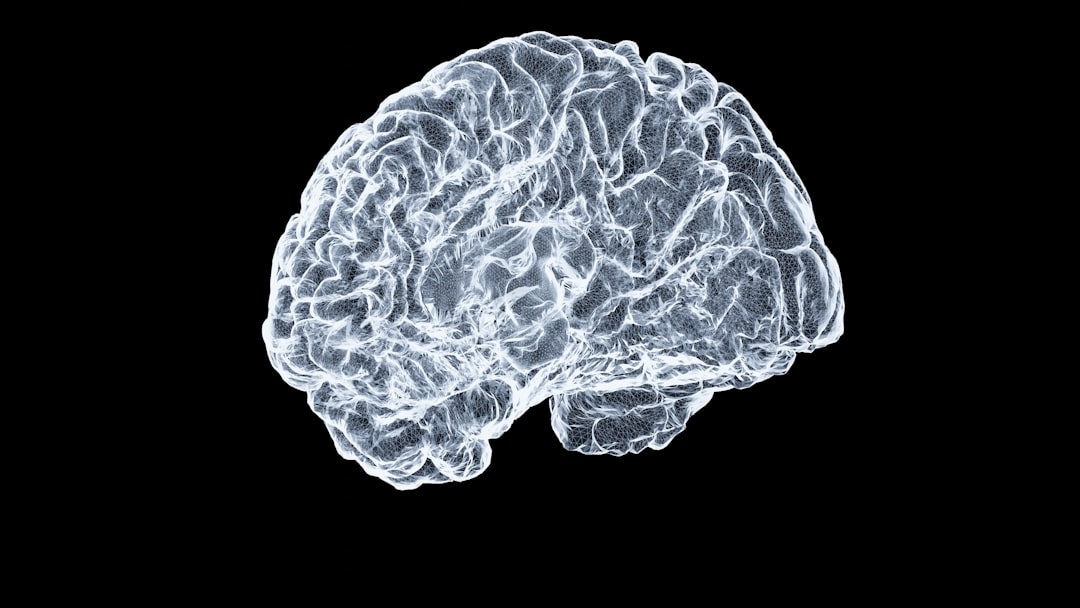
Here is something worth hearing on a Monday morning: your brain has not hit its peak. Not even close. A large new study suggests that brain health can keep improving well into your later years, and that age has almost nothing to do with it.
Many of us grew up hearing that the brain slows down as we get older. Turns out, that idea is a lot more complicated than we were led to believe.
What the Research Found
Dr. Lori Cook and a team of researchers conducted a three-year study involving 3,966 adults aged 19 to 94. They used something called the BrainHealth Index, a tool designed to measure overall brain fitness from multiple angles at once.
Participants were given brain-healthy practices to follow. Then the researchers tracked what happened over more than 1,000 days.
The results were striking. Here is what they found:
- No ceiling on improvement. Significant gains in brain health were observed across the board. Even the highest performers continued to improve over the full 1,000-day period.
- The lowest scorers improved the most. People who started with the weakest brain health scores showed the biggest gains. Poor brain health at the start was not a permanent condition.
- Small daily habits made a big difference. Participants who consistently did just 5 to 15 minutes of daily micro-training and carried brain-healthy habits into their everyday lives achieved the highest scores.
- Age did not matter. Older and younger participants improved at similar rates.
What One Researcher Said
Co-author Dr. Sandra Chapman put it plainly:
“For too long, we’ve operated under the outdated notion that we need to wait until something bad happens to our brain before we do anything for it. This study reminds us that our brain is not defined by age, it is defined by possibility. Humans have already expanded how long we live. Now, we are expanding how long the brain can continue to improve, disrupting the trajectory of decline that often begins in our early 30s. Because the true promise of longer life is a brain that allows us to thrive year by year.”
That is a long way from the old story about brains going downhill after a certain birthday.
The Takeaway for Our Generation
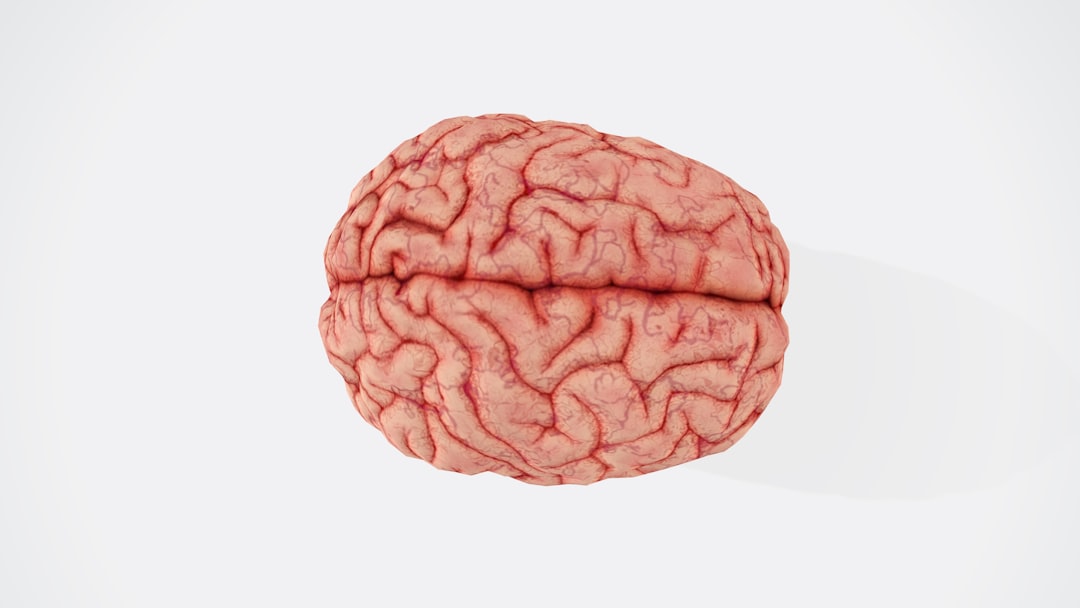
The study found that consistency mattered more than intensity. You do not need to overhaul your whole routine. Short daily sessions (just five to fifteen minutes), combined with brain-healthy habits in daily life, produced real, measurable results.
And if you feel like your brain health is not where you would like it to be right now, the research says that is actually where the biggest improvements tend to happen. Starting from a lower baseline was associated with the most significant gains.
There is no known upper limit to how much your brain can improve. That is not wishful thinking; it is what a three-year study of nearly 4,000 people found. Your best brain years may still be ahead of you.