


You eat a full meal. And then, an hour later, you are hungry again. Sound familiar? You are not imagining things, and it is not a lack of willpower.
Dr. Ruth Machin explains that several real, physical factors work against us, especially as we get older. Once you understand them, you can actually do something about them.
What Happens in Menopause
For women going through menopause, the body changes in ways that make overeating more likely. Estrogen levels drop, which increases hunger. At the same time, muscle loss and lower activity make it harder for the body to burn off those extra calories.
Dr. Machin points to three things that can help address this directly: correcting estrogen levels with HRT, maintaining muscle mass, and staying active.
The Foods You Eat Matter More Than You Think
Highly processed foods get eaten faster. That speed matters because it disrupts the hunger hormones that signal to your brain that you are full. The result is higher calorie intake, even when the processed food has a nutritional profile similar to that of a less-processed version.
The fix is not perfect. Dr. Machin says that gradually replacing processed foods with whole foods and aiming for a mostly whole-food diet works better than strict elimination. Strict rules tend not to last anyway.
Portion Size and Energy Density
Larger portions lead to consistently higher intake. And here is the thing, we do not naturally compensate by eating less later. One simple trick that actually works: use a smaller plate or bowl when you serve yourself.
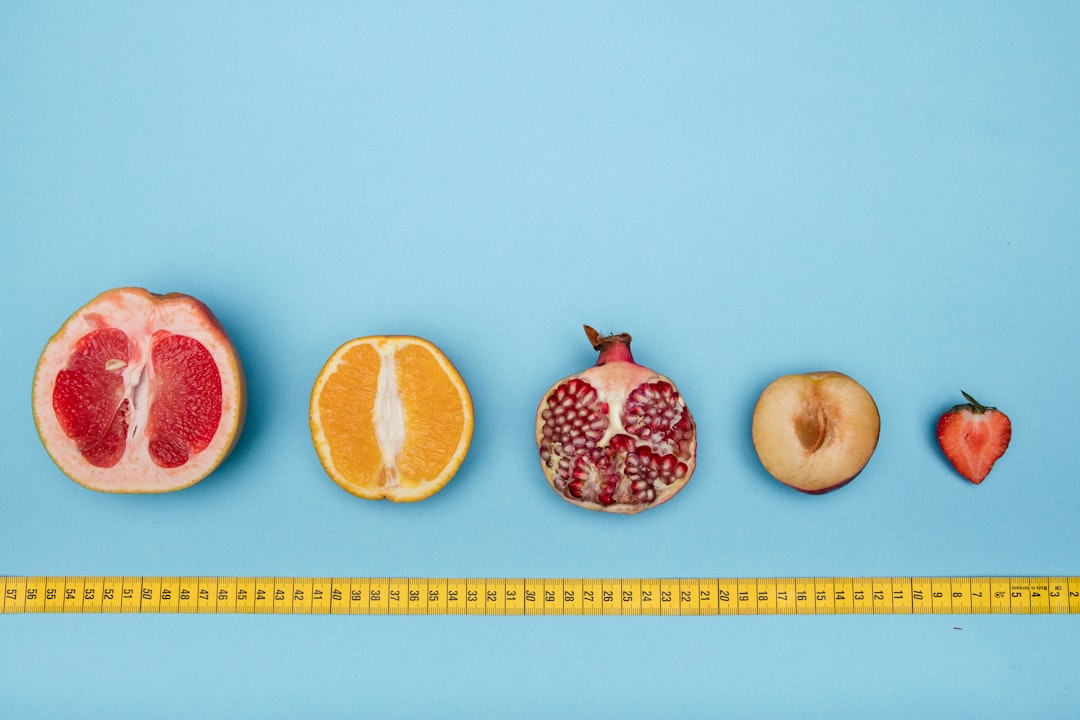
What is on that plate matters, too. High-calorie, nonfilling foods are easy to overeat, whether homemade or processed. Foods like fruit, vegetables, beans, and lean protein are lower in calorie density, meaning they fill you up without piling on the calories.
Do Not Forget What You Drink
Sugary sodas, sweetened coffee, juice, and alcohol all add calories without leaving you feeling full. They are easy to overlook and easy to overconsume. Liquid calories are a quiet source of extra intake that most of us do not account for.
Variety Can Work For You or Against You
Here is a surprising one. More variety on the table increases how much we eat because it keeps resetting our sense of satisfaction. That is working against you when the variety is a spread of rich dishes.
But it works for you when you apply it to fruits and vegetables. Putting out a wider variety of produce can actually help you eat more of the good stuff.
None of this requires a dramatic overhaul. Small, steady changes are what stick. And knowing why your body works the way it does makes those changes a whole lot easier.