


You grab a yogurt at lunchtime. It says something like “all-natural” or “made with real fruit” right on the front. Sounds like a smart, healthy choice, right?
Not so fast, say registered dietitians. That fruity, flavored yogurt you’ve been reaching for may be doing a number on your blood sugar, and not in a good way.
The Surprising Problem With Flavored Yogurt
Theresa Link, RD, a registered dietitian at Virta Health, puts it plainly:
“Flavored yogurts often have 20 to 25 grams of added sugar, similar to a candy bar. That added sugar is what drives the spike.”
Kaitlin Hippley, M.Ed., RDN, LD, CDCES, a registered dietitian and certified diabetes educator in Cleveland, Ohio, agrees. She says flavored yogurt (especially fruit-on-the-bottom varieties) can rapidly raise blood sugar. Even some nonfat versions are a problem, because they digest quickly and cause a fast rise in blood glucose.
And don’t think you’re off the hook if you buy plain yogurt and dress it up yourself. Amanda Sauceda, MS, RD, a registered dietitian, learned this firsthand. “When I first had plain yogurt, I didn’t love it and ended up adding a bunch of strawberry jelly,” she says. “It turned out more jelly than yogurt and more sugar.”
Here’s a useful number to keep in mind: the American Heart Association recommends limiting added sugars to 6 to 9 teaspoons a day. According to Sauceda, 4 grams of added sugar equals about 1 teaspoon. If your flavored yogurt has 20 grams of added sugar, you’ve already used up 5 of those teaspoons, just at lunch.
What Actually Happens in Your Body
Mckenzie Dryden, RD, a registered dietitian with HonorHealth, explains what goes on after you eat a sugary lunch. When you eat carbohydrates, your body breaks them down into glucose (that’s sugar) for energy. Your pancreas then releases insulin to lower your blood glucose.
When the carbs are simple sugars, like those in flavored yogurt, that process happens fast. Blood sugar shoots up, then drops back down. That drop is why you might feel tired or irritable not long after lunch.
Over time, Dryden says, frequent spikes and crashes can increase the risk of insulin resistance, type 2 diabetes, and cardiovascular disease. Uncontrolled high blood sugar can also cause nerve and organ damage. And if you’re already managing type 2 diabetes, Link notes that regular spikes and crashes make it harder to keep things under control.
The good news? Yogurt doesn’t have to come off your lunch menu. You just need to know what to look for.
5 Tips for Picking a Better Yogurt
Dietitians say the key is to flip the container over and read the nutrition label, not the buzzy words on the front. Here’s what to check:
- Added sugar first. Dryden recommends looking for less than 10 grams of added sugar per serving. Plain yogurt with no added sugar is even better; top it yourself with fruit or nuts to add flavor.
- Total carbohydrates. If you’re managing type 2 diabetes or prediabetes, Hippley says you need to look at total carbohydrates, not just sugar. That gives you a fuller picture of how the yogurt will affect your blood sugar.
- Fat content. A yogurt higher in fat can help you feel full and satisfied, Dryden says. The American Heart Association recommends low-fat options for heart health, so your approach here will depend on your personal needs and goals.
- Protein. Sauceda looks for at least 15 grams of protein in a yogurt when she wants a satisfying snack. She’s been enjoying Skyr yogurt because it tends to be higher in protein and has a thicker texture. She also notes that plant-based yogurts tend to be lower in protein, so check the label.
- Live and active cultures. Research published in Cureus suggests a possible link between imbalances in gut bacteria and an increased risk of type 2 diabetes. Sauceda points out that yogurt can be a source of probiotic bacteria that may support gut health, but only if it contains live and active cultures. Look for that on the label.
How to Make Plain Yogurt Actually Taste Good
Plain yogurt can taste a little, well, plain. But dietitians have some easy ways to fix that without loading it with sugar.
- Sample before you commit. Sauceda suggests buying a single cup before investing in a whole tub. Every brand has its own texture and taste profile, so it’s worth trying a few.
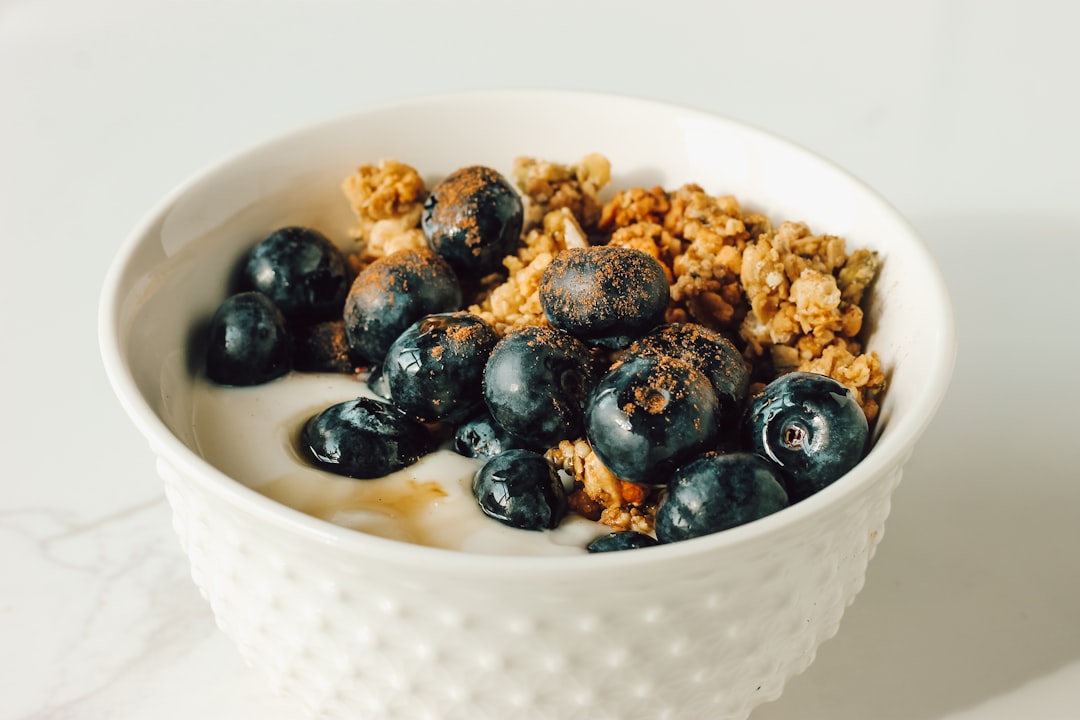
- Add berries, nuts, seeds, and spices. Hippley says berries, chia seeds, nuts, and nut butters add fiber, protein, and healthy fats that slow glucose absorption. A little cinnamon or a splash of vanilla adds sweetness without the sugar.
- Go savory. You don’t have to go sweet at all. Dryden suggests using plain Greek yogurt in place of sour cream, or mixing it with lemon, dill, garlic, and onion as a dip or salad dressing. Same creamy tang, no dessert required.
Blood sugar naturally rises and falls throughout the day; that’s completely normal, Sauceda says. The goal isn’t a flat line. It’s a gentle, steady ride. And with the right yogurt, lunch can be a whole lot kinder to your body.