


High cholesterol tends to sneak up on you. There are no obvious symptoms. No sharp pain. No warning bell. It just quietly builds over time, and for many of us, the first hint is a number on a lab report.
Here is the good news: it is reversible. Diet, lifestyle changes, and medication can all help bring it down. And two cardiologists say there is one snack in particular worth adding to your daily routine.
Why Walnuts Are Good for Your Heart
Dr. John Higgins, MD, a cardiologist at UTHealth Houston, puts it simply. “If you’re trying to improve your cholesterol, what you add to your diet matters just as much as what you cut out. And one simple habit stands out: eating a daily handful of nuts, especially walnuts or almonds.”
Dr. Alan Goldberg, MD, a cardiologist at Rush University System for Health, calls walnuts a “complete nutritional package.” He says they contain polyunsaturated fats, plant sterols, high fiber, and antioxidants, all in one small handful.
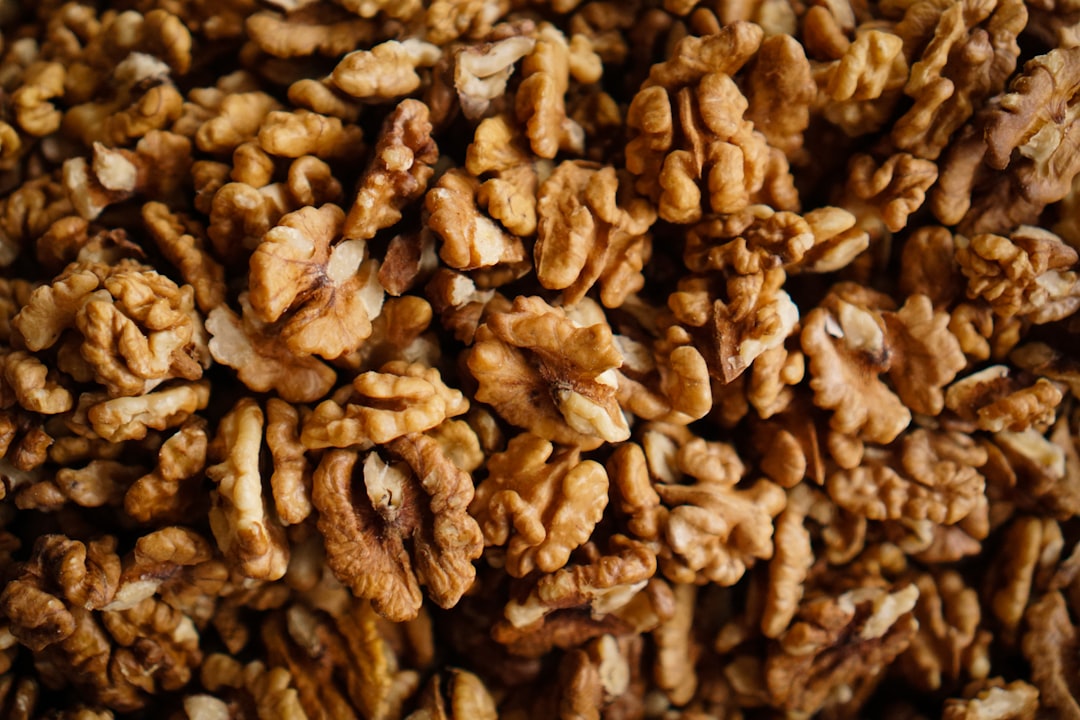
Dr. Higgins explains that the unsaturated fats, fiber, and antioxidants in walnuts work together to lower inflammation. That matters because inflammation allows LDL cholesterol to become oxidized and become trapped in arterial walls.
The American Heart Association and the American College of Cardiology both include nuts as part of a heart-healthy lifestyle, according to their published guidelines.
Research backs this up. A study published in The American Journal of Clinical Nutrition followed 365 participants who snacked on walnuts daily for 4 to 24 months. Compared to people who did not eat walnuts, the walnut group saw a significant drop in cholesterol. Other studies found similar results.
How Much Should You Eat?
Walnuts are calorie-dense, so more is not always better. Dr. Higgins recommends keeping it to about 1 ounce a day, roughly 1/4 cup. That is enough to make a difference without adding too many calories, which matters because excess weight can negatively affect cholesterol.
What to Pair Walnuts With
Both doctors point out that walnuts work best when they replace less healthy snacks, not when you pile them on top of everything else you already eat.
A few combinations they recommend:
- Walnuts with oatmeal. The soluble fiber in oatmeal helps remove cholesterol from the body, according to Dr. Higgins. Stir in a small handful of walnuts, and you have a genuinely heart-healthy breakfast.
- Walnuts with berries. Dr. Goldberg says pairing these two is “like doubling down on protection” because both have strong antioxidant profiles. Add some Greek yogurt for protein, and you have a satisfying snack or light meal.
- Walnuts with dark chocolate. Both cardiologists say dark chocolate is high in antioxidants that lower inflammation. Dr. Higgins notes that cocoa flavanols may also modestly support blood pressure and blood vessel function.
Dr. Goldberg also emphasizes that managing cholesterol through food “isn’t about eating less, it’s about eating smarter.” He points to four general principles: focusing on high-fiber foods, minimizing saturated fats, limiting refined carbs and sugar, and eating a mostly plant-based diet. Walnuts, he says, check all four boxes.
As Dr. Higgins puts it: “Walnuts and almonds aren’t magic. But if you consistently swap them in for less healthy snacks, they can meaningfully improve your cholesterol over time. It’s simple, practical, and backed by strong science.”
A small bowl of walnuts on the counter. A handful in your oatmeal. A few squares of dark chocolate on the side. Sometimes the best heart-health habits are also the most enjoyable ones.