


You’ve worked hard. You’ve waited long enough. And now you’re finally planning that big trip, maybe to Europe, maybe to Asia, maybe somewhere you’ve dreamed about for decades. So the question comes up: is it worth splurging on a premium seat?
The short answer is: it depends. Business class and first class are not the same thing. And what you get can vary a lot depending on the airline and whether you’re flying across the country or across an ocean.
Here’s what you need to know before you book.
Business Class: A Lot More Comfort Than You Remember
Business class has quietly become the go-to premium choice for most travelers.
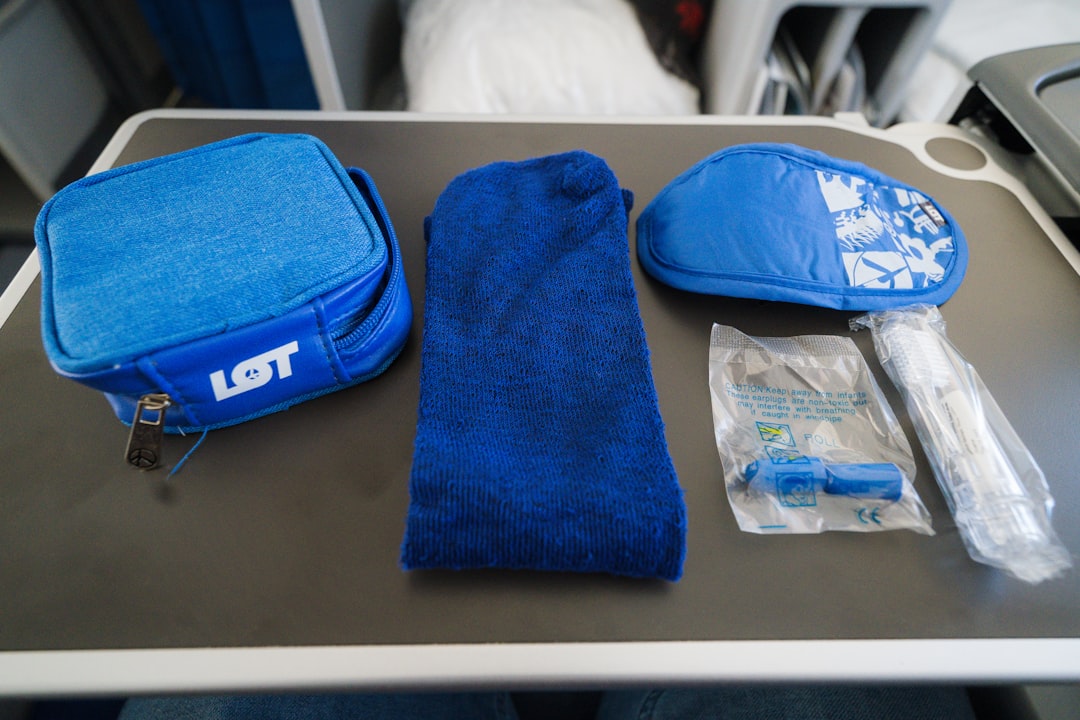
What can you expect in business class? According to luxury travel advisor Kimberly Denison, you’re likely looking at lie-flat seats, extra space, amenity kits, and priority boarding. Many airlines also include lounge access, though that’s not guaranteed on every route.
The food is a real step up, too. Denison notes that airlines often work with well-known chefs or mixologists to offer curated menus and premium wine and spirits. Delta, for example, recently announced it will serve Taittinger Champagne in its Delta One cabins on international flights.
A few things to keep in mind: seats, amenities, and services can vary significantly depending on the airline, the aircraft, and the route. And lounge access, as noted, is not always included.
Domestic First Class: Comfortable, But Modest
If you’re flying within the United States (or on a short international hop), first class is typically the best seat on the plane. It’s more comfortable than economy, with a spacious seat, extra legroom, complimentary drinks, and better food.
But here’s the reality check: domestic first class is usually not dramatically different from premium economy. Denison says lie-flat seats are rare on domestic routes. When they do appear, they’re mostly limited to coast-to-coast flights.
The upside? Domestic first class is significantly less expensive than international business or first class. If you just want a more comfortable ride on a shorter flight, it can be well worth it.
International First Class: The Real Deal
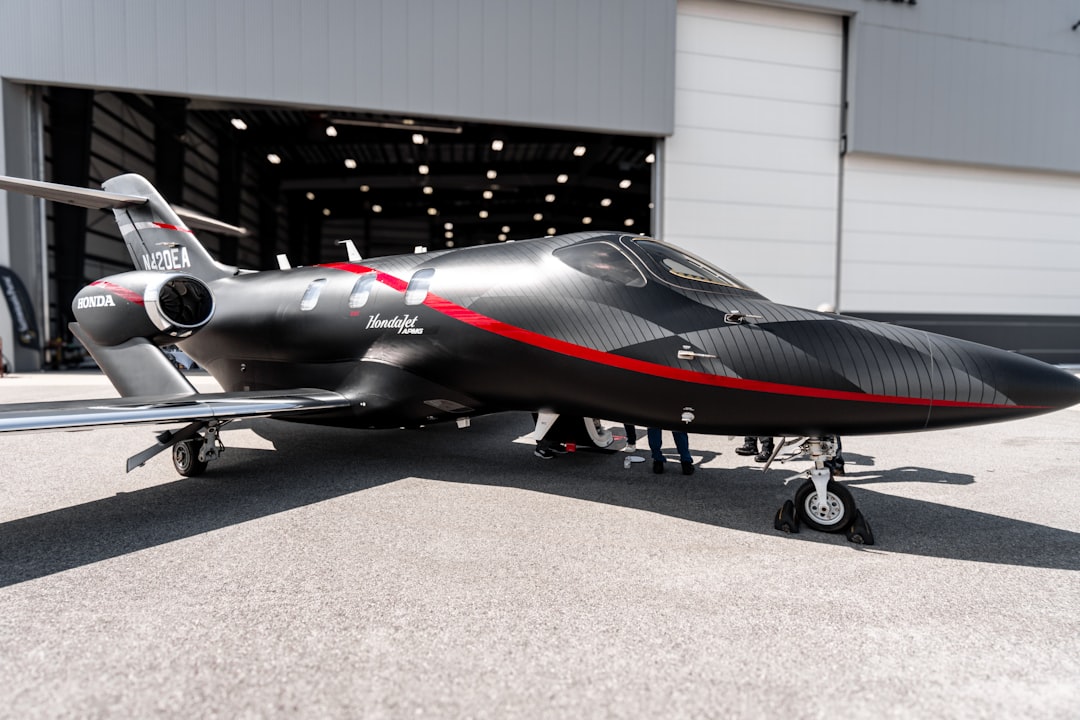
Now we’re talking. An international first class on a top-tier airline is as close to flying private as most of us will ever get. Denison says carriers like Emirates, Singapore Airlines, and Air France take comfort and exclusivity to a whole other level.
The perks often begin before you even reach the gate. Think private lounges, chauffeur-driven cars to and from the aircraft, and dedicated jet bridges. Once you’re on board, you can expect full turn-down service, hotel-quality linens and pajamas, private suites, and luxury amenity kits from brands like Sisley or Bvlgari.
Etihad Airways as the standout in this category. The airline’s Residence suites, available on some of its A380 aircraft, include a private minibar and enough space to rival a Manhattan apartment. You can even shower mid-flight. That’s not a typo.
The downside? International first class is only available on certain airlines and aircraft, and it’s typically the most expensive option by a wide margin.
Which One Makes Sense for Your Trip?
Denison’s advice: think about the length and type of flight before you decide. A lie-flat bed on an overnight international flight? That’s a meaningful comfort investment, you’ll actually sleep. But spending first-class money on a two-hour domestic flight? The benefit is much smaller.
If premium seating is important to you, Denison also recommends not waiting and hoping for an upgrade. She says premium cabin inventory is limited, and waiting too long may mean missing out entirely.
How to Get Upgraded Or Pay Less for a Better Seat
You don’t always have to pay full price for a better seat. Here are three ways to move up the cabin.
- Earn elite status. Denison says the most reliable way to get a free upgrade is through elite status with an airline’s loyalty program. You can build status faster by using an airline credit card or linking car rentals and ride-sharing services to your frequent-flier account. That said, there are more loyalty members than ever, and competition for upgrades is fierce.
- Volunteer for a bump. If your flight is oversold and the airline asks for volunteers, accepting the bump often comes with a cash incentive. You can also ask about receiving an upgraded seat as part of the deal.
- Bid or buy at check-in. Some international carriers and Hawaiian Airlines (the only domestic carrier with a bidding program) let you place a bid for an upgrade. You submit a bid, and you typically find out 48 to 72 hours before your flight whether it was accepted. Her tips: check how many seats are open in the cabin (fewer open seats means you’ll likely need to bid higher), bid above the minimum if you can, and always compare your bid to the outright upgrade price, sometimes they’re surprisingly close.
Denison also suggests watching the airline’s app for upgrade availability as your departure approaches. And don’t overlook the check-in counter at the airport — she says that’s often where you’ll find the best upgrade price.
Whether you go business, domestic first, or splurge on international first, flying premium is a different world from the back of the plane. For a long trip you’ve been saving up for, it just might be worth every penny.