

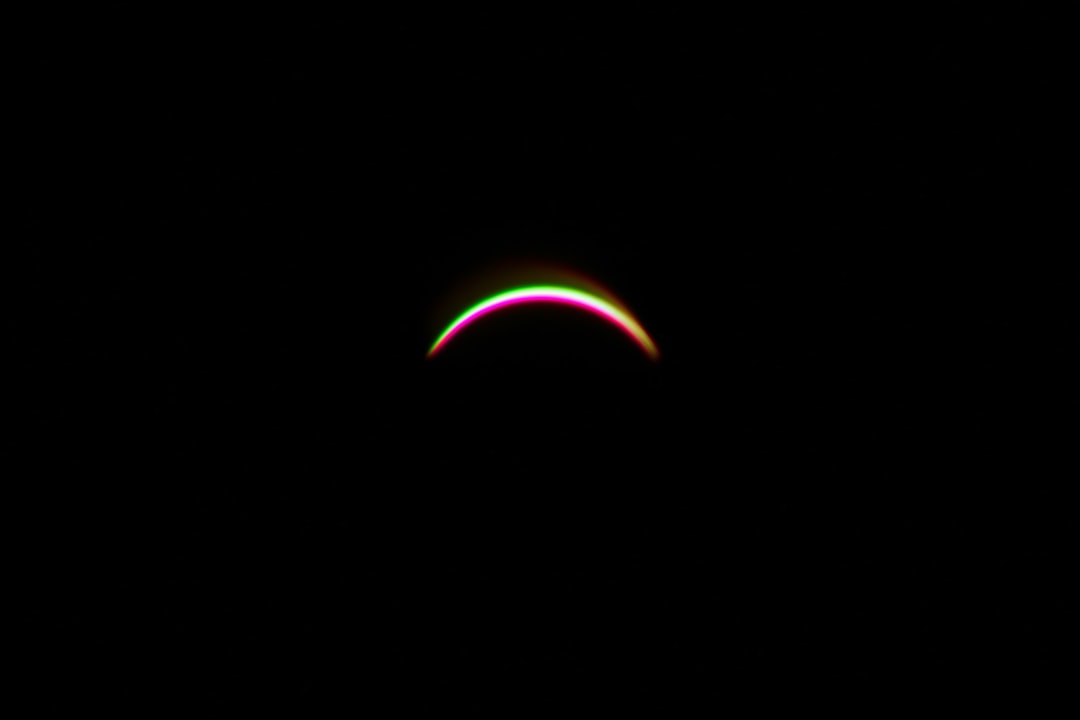
If you caught the 2024 solar eclipse and found yourself wishing it had lasted just a little longer, mark your calendar for August 2, 2027. A total solar eclipse is coming, and this one is something special.
Scientists and eclipse chasers are already calling it the “Eclipse of the Century.” And for good reason. This eclipse will offer up to six minutes and 23 seconds of totality. That is more than twice as long as most total solar eclipses, which typically run two to four minutes at their peak.
NASA program scientist Dr. Kelly Korreck puts it plainly: an eclipse of this length won’t happen again until 2114. That makes 2027 a once-in-a-lifetime opportunity, quite literally.
Why This Eclipse Lasts So Long
Dr. Korreck points to three reasons the 2027 eclipse runs so long. First, the moon will be at its closest point to Earth, giving it a wider reach to block the sun. Second, Earth will be at its farthest point from the sun, making it easier for the moon to cover it completely. Third, the path of totality runs near the equator, where the moon’s shadow and Earth’s rotation move at nearly the same speed, slowing the shadow’s passage across the ground.
“The joy of this is we get more time to stare at the corona, more time to feel the awe that you get with an eclipse, because it really is special,” says Korreck. “Our whole body experiences it, not just our eyes.”
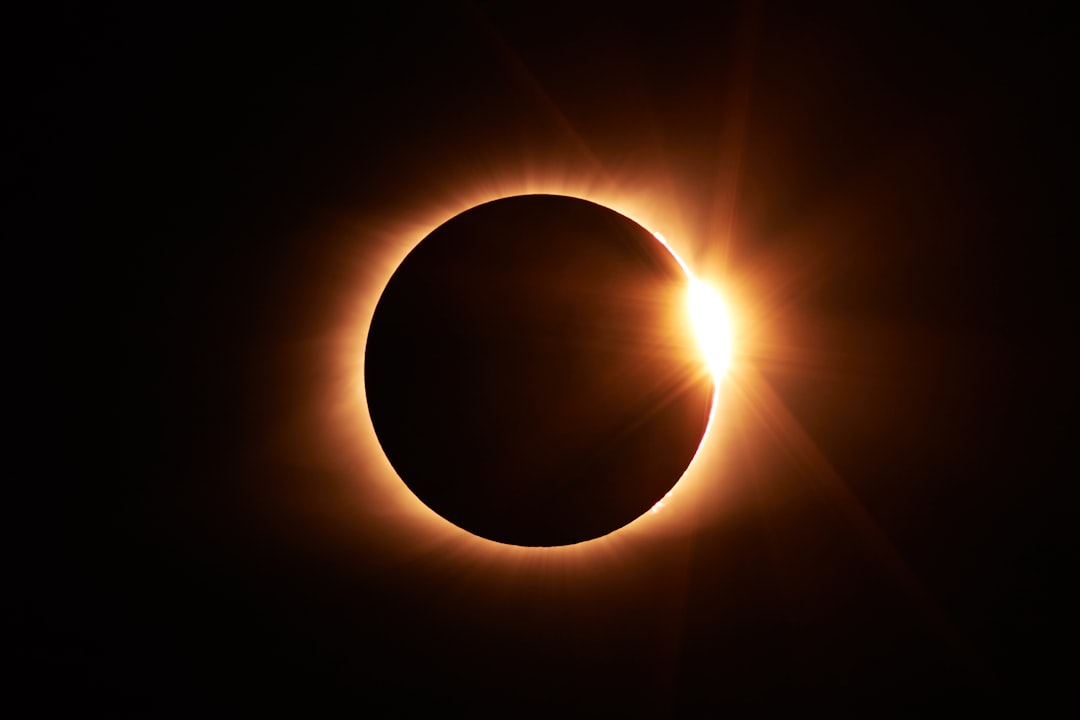
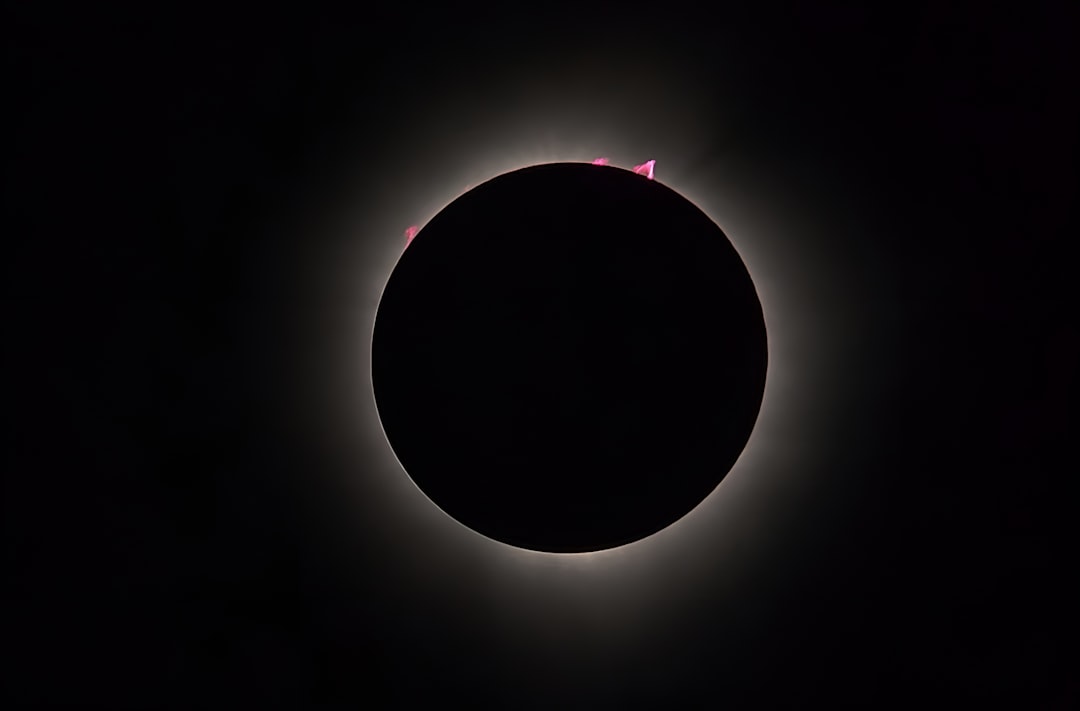
During totality, day turns to night in seconds. Temperatures drop. The sky darkens. And the sun’s outer atmosphere (the corona) appears as a glowing halo around the moon. You only see it if you’re standing within the path of totality, which is about 160 miles wide for this eclipse.
Where the Eclipse Will Travel
The path of totality crosses ten countries: Spain, Gibraltar, Morocco, Algeria, Tunisia, Libya, Egypt, Saudi Arabia, Yemen, and Somalia. Several of these destinations are well-established tourist favorites with comfortable hotels, warm weather, and rich history, perfect for building a memorable trip around the event.
Note that some countries along the path currently carry U.S. State Department travel advisories due to regional unrest. Check the State Department’s travel advisory list before booking, and consider purchasing travel insurance that includes a “cancel for any reason” option.
Egypt: The Crown Jewel of the Eclipse Path
The longest totality (over six full minutes) happens in Luxor, Egypt, right around midday. Imagine standing near the Valley of the Kings as the sky goes dark at noon. The ancient tombs of Tutankhamun and Ramses II will be shrouded in midday darkness. The Nile River will fall silent. It will be extraordinary.
Luxor sits on the site of ancient Thebes. The East Bank is home to the Karnak Temple Complex and Luxor Temple. The West Bank holds the Valley of the Kings and the Valley of the Queens, and that is where the eclipse will be most dramatic.
A Nile River cruise during the eclipse is on many travelers’ bucket lists, and bookings are filling fast. A few options still have availability:
- Alluring Africa’s Solar Eclipse Over Egypt is a 10-day journey on the Royal Ruby II from Luxor to Aswan, led by astrophysicist and eclipse veteran Dr. Jay White.
- Scientific American’s 10-day 2027 Solar Eclipse Egyptian Cruise begins in Cairo and includes the total solar eclipse on the Nile.
- New Scientist Discovery Tours’ Total Solar Eclipse 2027: Nile Cruise, Egypt, from Aswan to Luxor aboard a ship with a rooftop pool, is sold out, but a waitlist is available.
For those who prefer a land stay, the Hilton Luxor Resort & Spa sits on the banks of the Nile and features two infinity-edge pools. The Sofitel Winter Palace Luxor, dating back to 1886, offers colonial-era character and tropical gardens. Most hotels are expected to release reservations in August 2026, about a year in advance.
Southern Spain: Comfortable and Familiar
Spain’s Costa del Sol (the sunny Andalusia coastline) is one of the most comfortable places to watch this eclipse. Coastal cities like Cadiz, Malaga, and Marbella are known for beaches, golf courses, and over 320 days of sunshine per year. The weather will be warm, the infrastructure is excellent, and English is widely spoken in the tourist areas.
Dr. Korreck notes something remarkable about Spain: it will experience total solar eclipses in both 2026 and 2027. “For any location on earth, it’s normally between three and 400 years until you get your next eclipse,” she says. Spain is getting two in back-to-back years.
While the famous Alhambra palace in Granada is not in the path of totality, it makes for an easy and worthwhile day trip to round out the vacation.
For those who want to watch from the sea, Ponant offers a seven-night cruise departing round-trip from Lisbon on July 30, 2027, in partnership with Smithsonian Journeys. Guests aboard Le Boreal will view the eclipse over the Mediterranean Sea near Malaga. The cruise also stops in Portugal’s Algarve, Marbella, and Cadiz. Prices start at $9,830 per person.
Gibraltar: A Short, Memorable Stay
Just across the border from southern Spain, the small British Overseas Territory of Gibraltar will see four minutes and 32 seconds of totality beginning around 9:45 a.m. on August 2, 2027. At just 2.6 square miles, Gibraltar is compact and walkable, with open squares, nature reserves, and marinas offering clear, unobstructed views of the sky.
Getting there is simple. You can reach Gibraltar by train, by driving from Spain, or by flying via British Airways or EasyJet from London, Manchester, or Bristol. Hotel options are limited given its small size, but the Sunborn Gibraltar, a floating yacht hotel with multiple restaurants and a spa, offers a uniquely memorable experience, with summer rates generally starting around $227 per night.
Morocco: Culture, Color, and Five Minutes of Darkness
Northern Morocco will experience nearly five minutes of totality on August 2, 2027. The rest of the country will see a partial eclipse.
The coastal city of Tangier is a particularly appealing choice. Good viewing spots include locations along the Mediterranean Sea and the city’s kasbah, the historic fortified area at the highest point of the medina, with views stretching to the Strait of Gibraltar and Spain on a clear day. The nearby city of Tetouan, known for its whitewashed buildings and UNESCO-protected medina, is another prime viewing location.
New Scientist Discovery Tours offers four Morocco eclipse tours, ranging from eight to eleven days and starting at around $5,000 per person. Tour themes include an introduction to Morocco, the best of Morocco, the archaeology of Morocco, and astronomy in Morocco. Tours meet up in Marrakech and Tangier.
Algeria and Tunisia: Off the Beaten Path
For adventurous travelers willing to venture somewhere less touristy, both Algeria and Tunisia fall in the path of totality. The cities of Oran, Algeria, and Sfax, Tunisia will each experience over five minutes of totality.
Both countries offer desert landscapes, Mediterranean beaches, and centuries of Roman and Islamic history. Tunisia is home to the ancient ruins of Carthage, just north of the path of totality and well worth a visit. Tunisia is predominantly Muslim but is generally considered less conservative than some of its neighbors.
Tips for a Comfortable Eclipse Experience
August is hot along this eclipse path, especially in Egypt, where temperatures can easily exceed 100 degrees Fahrenheit. Wear sunscreen, drink plenty of water, and dress for the heat.
Dr. Korreck recommends choosing a viewing spot away from tall buildings (a field or hilltop works well) to ensure a clear, unobstructed view of the sky.
Always use certified eclipse glasses during the partial phases before and after totality. During totality itself, it is safe to look directly at the eclipse without glasses. The two are very different experiences, and totality is the one worth traveling for.
One final note for those staying stateside: a partial solar eclipse will be visible in parts of Maine on August 2, 2027. But if this bucket-list event is calling your name, the path of totality is where the real magic happens, and 2027 is the year to answer that call.