
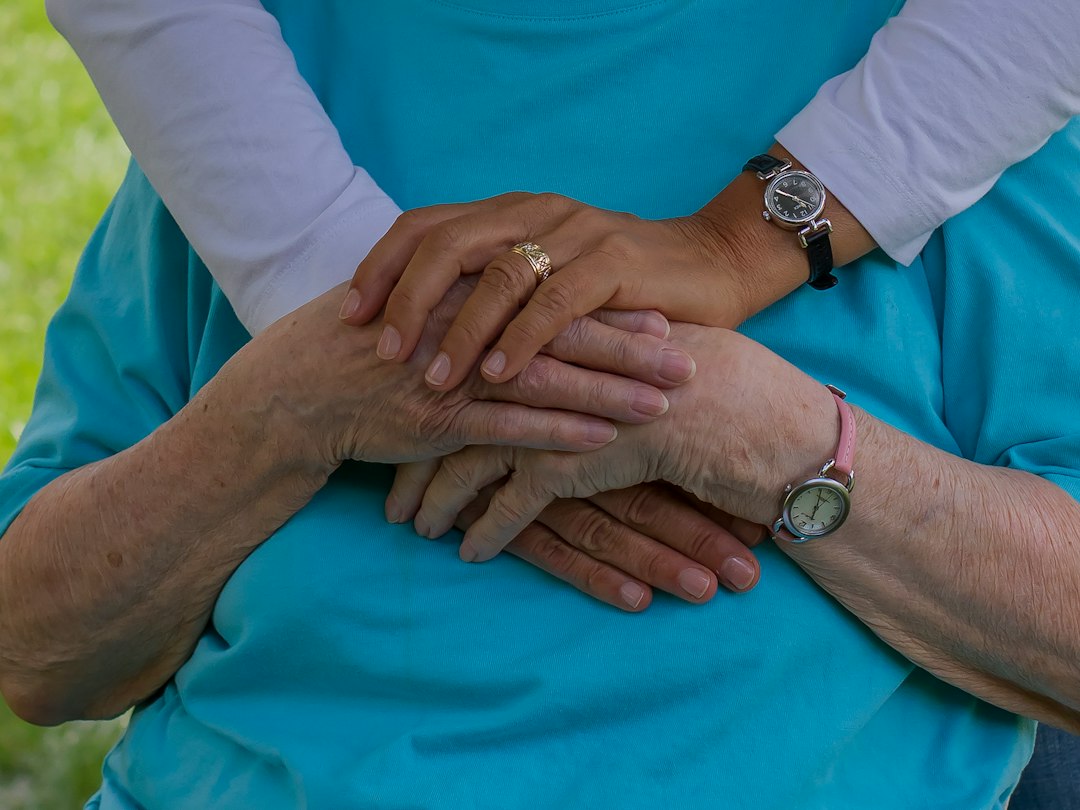
If you are caring for an aging parent or spouse at home, you already know how much it takes. What you may not have stopped to consider is what it is doing to your own health.
Researchers decided to look closely at that question. They found that caregiver burden significantly gets in the way of self-care and that the resulting neglect leaves caregivers more vulnerable to poor health and chronic illness themselves.
The study, published in The Gerontologist, gathered fourteen family caregivers (all primarily responsible for providing in-home care to older adults with chronic illnesses) into four focus groups. Researchers listened carefully to what those caregivers said about their own well-being.
What they heard pointed to three core reasons why self-care either happens or does not:
- Capability — a caregiver’s physical and psychological health, and their ability to manage their own behavior
- Motivation — how they see their role as a caregiver, the emotions involved, and how much control they feel they have
- Opportunity — the social support around them and the practical resources available
The caregivers in the study were clear on one thing. When they let their own self-care slip, they felt it: in their health, their behavior, and their emotional well-being. Neglecting yourself does not make you a better caregiver. It makes everything harder.
The researchers also found that caregivers defined self-care in their own personal ways. What counts as self-care for one person may look different for another. That matters, because the study calls for support programs that reflect each caregiver’s own definition, not a one-size-fits-all approach.
The findings point toward a simple but important idea. The people who help others most need support that is tailored to their real life: their pressures, their resources, and what self-care actually means to them.
If you are in a caregiving role right now, that is worth sitting with. You cannot pour from an empty cup. The research backs that up.