
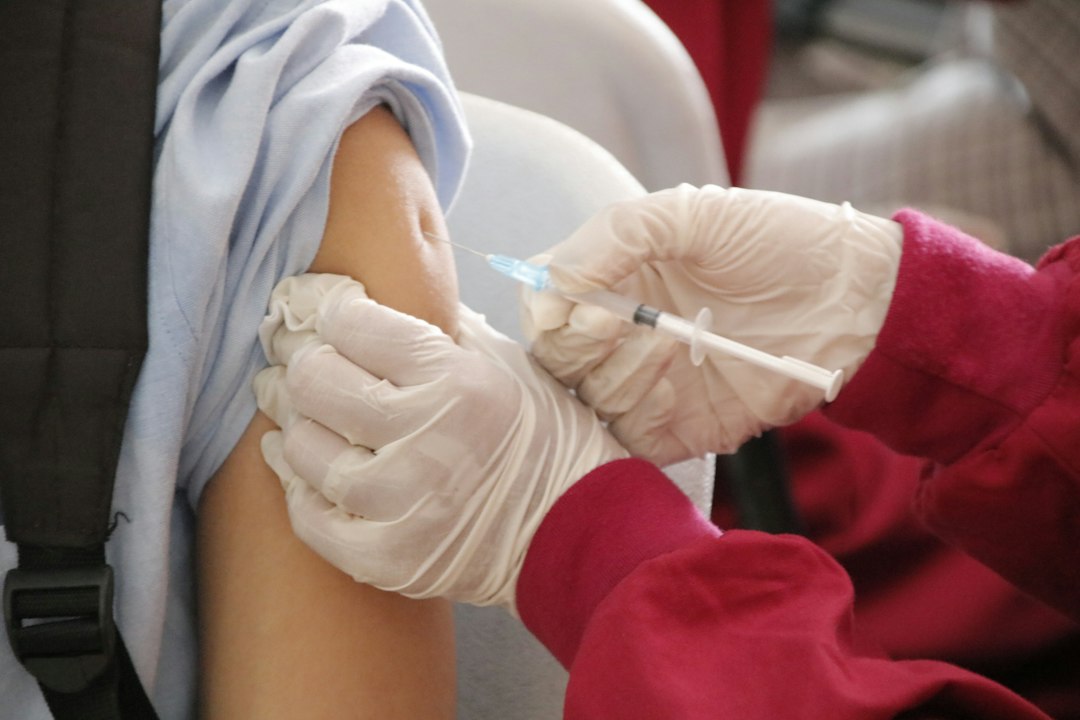
Here is something worth putting on your fall calendar: the best time to roll up your sleeve for a flu shot is September or October. That is the sweet spot the CDC recommends for most adults, including those of us over 65.
The reason is simple. The flu vaccine takes about two weeks to kick in fully. Getting it in September or October means you are protected before flu activity picks up in late fall and winter.
Why the Flu Is Especially Serious for Older Adults
Last season was one of the worst in a long time. The 2024–2025 flu season saw more than 710,000 hospitalizations and 45,000 deaths, the highest levels in 15 years. Flu and pneumonia climbed to the eighth leading cause of death in the U.S. in 2025, up from 11th the year before.
Those numbers hit hardest for our generation. According to the CDC, adults age 65 and older account for an estimated 70 to 85 percent of seasonal flu-related deaths and 50 to 70 percent of flu-related hospitalizations each year.
Getting vaccinated on time is one of the most practical things you can do to protect yourself.
What If You Miss the October Window?
Do not skip it. The CDC is clear: you can get vaccinated any time during flu season, even into January or beyond, as long as flu viruses are still circulating. A late shot is far better than no shot at all, especially if a second wave of cases rolls through.
On the other hand, keep in mind for the next year that July and August are generally too early. Protection from the flu vaccine can fade over time, so getting it too soon may leave you less covered when you need it most.
Which Flu Vaccine Is Right for You?
For adults age 65 and older, the CDC recommends one of three options for the 2026–2027 flu season:
- Fluzone High-Dose
- Flublok Recombinant
- Fluad Adjuvanted
If none of these is available, do not wait. Get another age-appropriate flu vaccine rather than delay.
There is also a new option this season. mFLUSIVA is the first mRNA flu vaccine approved in the U.S., and it is available for adults age 50 and older. In a Phase 3 clinical trial of more than 40,000 adults age 50 and older, mFLUSIVA provided 26.6 percent more protection against laboratory-confirmed flu than a standard-dose vaccine. Unlike traditional flu shots, it is made using an egg-free process. Talk with your health care provider and your doctor about whether mFLUSIVA makes sense for you.
This season’s vaccines have also been fully reformulated to better match the flu viruses expected to circulate, including the H3N2 “Super-K” strain that spread widely last season.
Already Had the Flu? You Still Need the Shot
Getting sick with one flu strain does not protect you from others circulating at the same time. As Dorothea Vafiadis, NCOA Senior Strategist for Healthy Aging, explains: several different strains can circulate during the same season, and getting sick with one may not protect you from another. That is why vaccination still matters even after an illness.
Can You Get Your COVID and Flu Shots Together?
Yes. The CDC confirms it is safe to get both vaccines at the same visit, even in the same arm, as long as the injection sites are at least one inch apart. Getting both done at once saves a trip and makes sure you are covered heading into flu season.
How Much Does It Cost?
For most of us, nothing. Medicare and Medicaid now fully cover recommended preventive vaccines, including the flu shot. Most private insurance plans do the same. You can get vaccinated at your doctor’s office, a pharmacy, a community clinic, or many senior centers.
If you need help finding a location near you, here are a few resources:
- Eldercare Locator: Search by ZIP code at eldercare.acl.gov
- Aging Network hotline: 1-800-677-1116
- Disability Information and Access Line (DIAL): 1-888-677-1199 or email DIAL@n4a.org
- Medicare hotline: 1-800-633-4227 (TTY 1-877-486-2048)
CAPT Simon Agolory, Acting Chief Medical Officer at the CDC’s National Center for Emerging and Zoonotic Infectious Diseases, put it plainly: getting a flu vaccine at the right time is an important step in protecting your health during respiratory illness season. If you miss October, he adds, you can still benefit from getting vaccinated, so talk with your health care provider and go from there.
September or October is the goal. But whenever you get it, getting it is what counts.