

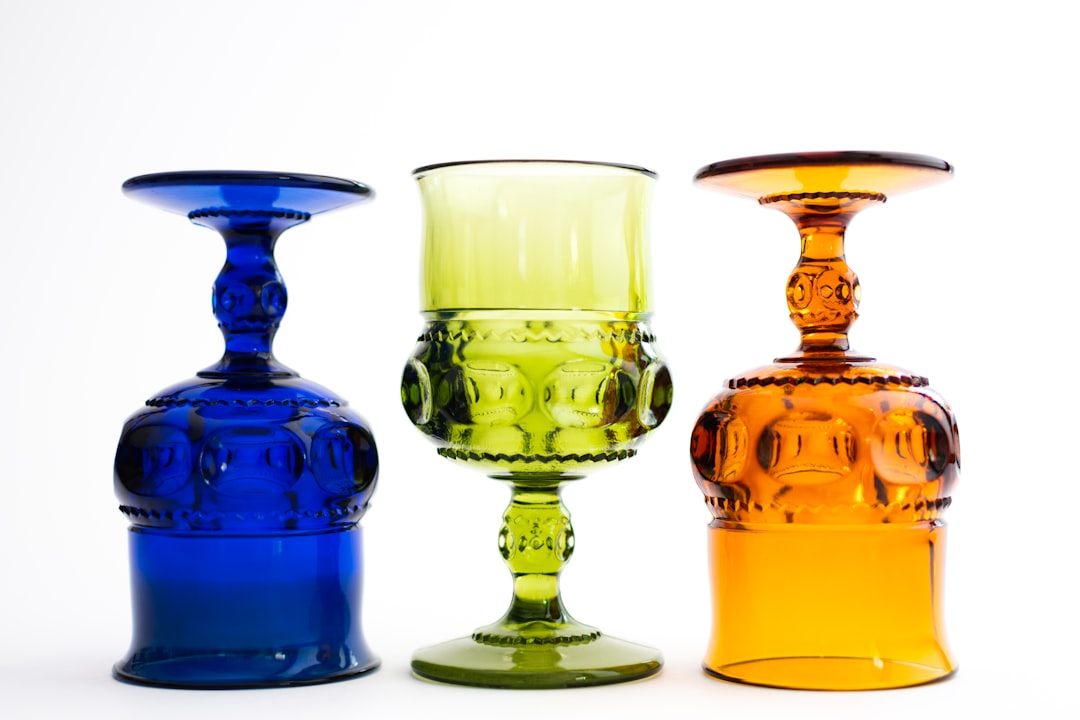
Remember when glassware had some personality? Pink tumblers. Gold-rimmed coupes. Aqua champagne glasses that made the whole table feel like a celebration. Somewhere along the way, we traded all that in for plain clear glass.
It turns out a lot of people are ready to trade back. Vintage glassware is having a real moment and for good reason. These pieces are colorful, beautifully made, and often easy to find at antique shops, thrift stores, and online marketplaces.
First, What Makes Something “Vintage”?
The word gets tossed around loosely, but there is a real definition. Samantha Robinson, Vice President of Design at Heritage Auctions, puts it simply. An object is vintage if it was made between 25 and 99 years ago. Anything over 100 years old is antique.
That means in 2026, vintage glassware covers everything produced between 1927 and 2001. That is a wide range from Depression-era colored glass to mid-century Murano stemware to well-known luxury brands like Baccarat and Saint-Louis.
What to Look for When You Shop
Robinson says the simplest rule is to trust your eye. If a piece draws you in, that is a good place to start.
Flip the glass over and look for a manufacturer’s mark on the bottom. That mark can tell you who made it and give you a sense of its value. While you are at it, check for chips, cracks, or any signs of repair. Those can affect both the value and whether the glass is safe to use.
One more important thing: if you plan to actually drink from the glasses, know that lead was commonly used in glassware and crystal before the 1980s. The experts flag this as something to be aware of before buying for everyday use.
7 Styles Worth Looking For
Here are the seven styles that experts say deserve a place back on your table.
- Tiffany Studios Pastel Glassware — Robinson calls this one a personal favorite. Produced in the 1920s, this line featured handblown tableware in soft pastel shades like aqua, pink, and chartreuse. She says these pieces would be a welcome addition to any table today.
- Art Deco Glassware (1920s–1940s) — These pieces are generally clear, with clean lines and simple molded or etched decorations. Robinson says they work well with a wide range of other tableware.
- Streamline Moderne Glassware — A close cousin to Art Deco, also from the 1920s through the 1940s. Robinson highlights Walter Dorwin Teague-designed Libbey cocktail glasses as a prime example of this style done right.
- Gilt-Decorated Glassware — The 1stDibs experts describe these gold-accented pieces as charming and whimsical, and say they are perfect for a maximalist table or interior.
- Colored Overlay Glassware — Layered color gives these glasses real depth. The 1stDibs team says incorporating color is one of the best ways to build character in a glassware collection.
- Vintage Coupes — These wide, shallow glasses never really go out of style, according to 1stDibs. They come in a wide range of silhouettes and colors and make an especially elegant vessel for champagne cocktails.
- Vintage Champagne Flutes and Stemware — The 1stDibs experts call goblets, wine glasses, and champagne flutes among the most timeless categories of vintage glassware. Their appeal, they say, comes from the exceptional craftsmanship of fine crystal, beauty and artistry that transcends trends.
You do not have to become a serious collector to enjoy this. Even one or two colorful glasses on a shelf can brighten a room. And if you already have a few tucked away in a cabinet somewhere, it might be time to bring them back out.