


The British royal family is famous for doing things a certain way. Every detail matters. Every standard is exacting. So it makes perfect sense that hiring a housekeeper for the palace involves a test unlike anything you would find in a typical job interview.
They call it the dead fly test. And it is exactly what it sounds like.
Here Is How It Works
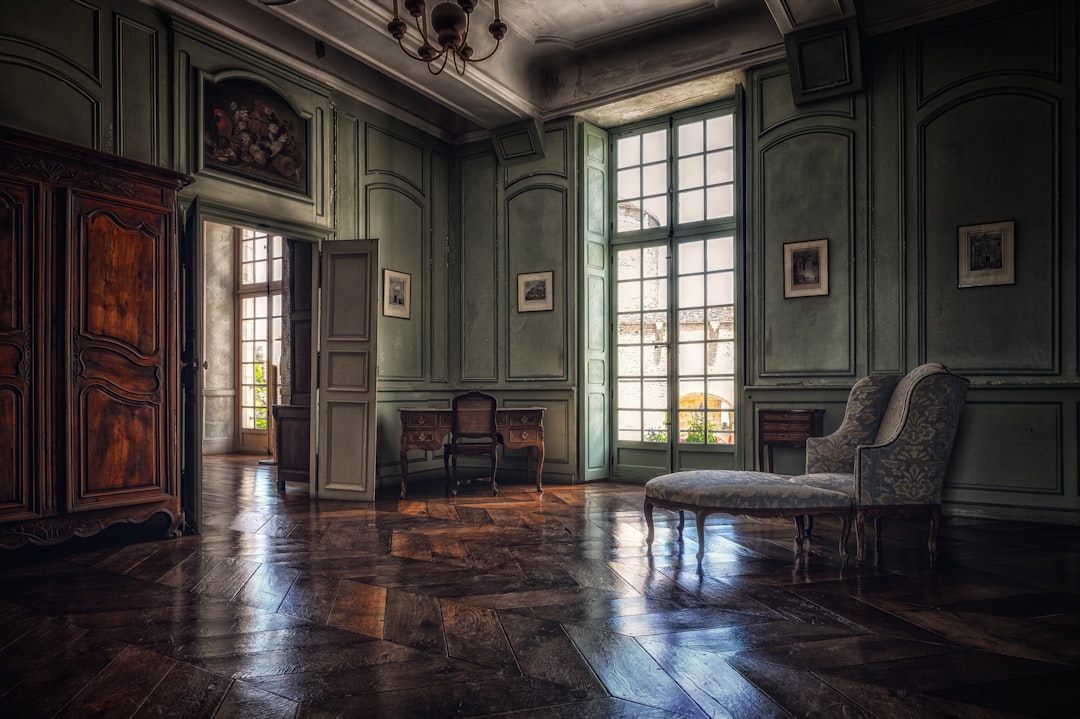
Tracey Waterman is the head of staff recruitment for the British royal family. She revealed the test in a Channel 5 documentary called Sandringham: The Royals at Christmas. Before each interview, she or a member of her team places a dead fly somewhere in the room, either in the fireplace or on the carpet.
Then she slowly walks the candidate into the room. She gives them a moment to look around. She might draw their attention to a beautiful fireplace. And she waits.
“At this point, I’d expect them to see the dead fly and hopefully pick it up,” Waterman says in the documentary. If the candidate does not notice it (or notices it and does nothing), the interview is essentially over.
Why a Dead Fly?
It is all about attention to detail and the ability to act right away when something is off. Waterman says that is “the difference between a housekeeper in a five-star hotel and in a royal palace.”
About half of all candidates notice the fly. But only one in ten actually bends down and picks it up. That one, according to Waterman, is the special housekeeper.
You might wonder whether some candidates simply feel too uncomfortable pointing out the fly in such formal surroundings. That is a fair thought. But when it comes to this role, taking action matters more than being polite.
What Comes with the Job
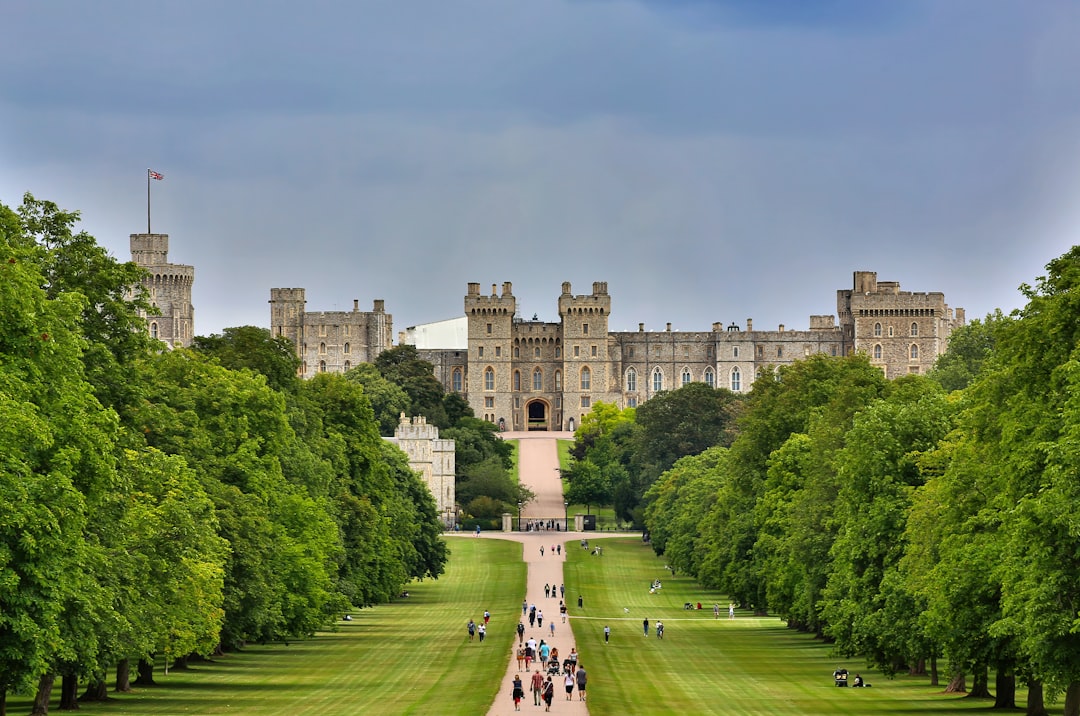
Pass the test, and you are in. The position is based in either London or Windsor Castle. Your days involve keeping the royals’ private rooms in order, looking after guests, and working at formal functions and events. Occasional travel to other palaces is part of the role as well.
The perks are genuinely impressive. You get 25 days of paid leave per year, rising to 30 days after ten years of service. There is also a pension plan, bank holidays, maternity and paternity leave, and physical and mental health support.
On top of that, you receive free tickets to all palaces and galleries of the Royal Collection Trust, including special access for concerts and exhibitions, plus a 20 percent discount at their gift shops. Lunch at the palace on workdays is included. And if you want to live on the palace grounds, that option is available too.
One Catch Worth Knowing
The salary is modest. Royal housekeepers earn £24,188 a year (roughly $32,000) for a 40-hour workweek with shifts spread across all seven days. That works out to about the minimum wage in the United Kingdom.
You won’t be getting rich. But you would be working in some of the most storied rooms in the world, with a decent chance of crossing paths with senior royals on any given day.
What the Job Actually Requires
Here is something that might surprise you: previous cleaning or hospitality experience is not required. Past job postings from the royal household highlight qualities such as a proactive attitude, effective time management, team spirit, and a genuine interest in learning.
Attention to detail is, naturally, a must. And absolute trustworthiness goes without saying. Sharing anything about life behind palace doors is simply not part of the arrangement.
All in all, it is one of the more unusual hiring processes in the world. And it comes down to one small, decidedly unglamorous insect.