


You’re not imagining it. Things really do cost a lot more than they used to.
According to the Consumer Price Index from the U.S. Bureau of Labor Statistics, overall consumer prices in the U.S. are up about 30% to 35% since 2016. Something that cost $100 back then costs roughly $130 to $135 today. Inflation was mild from 2016 to 2019, then surged sharply in 2021 and 2022, peaking near 9% year over year in mid-2022, the highest in about four decades.
Financial expert Sarah Brady puts it plainly: “When it comes to everyday expenses, consumers have been hit particularly hard by increases in food and gas prices. Both rents and mortgage rates have skyrocketed, too, so many people feel like they’re taking hits from all sides.”
Here’s What Has Gone Up and By How Much

The numbers below come from the CPI and market data. They’re national averages, so your local costs may be a little higher or lower depending on where you live.
- Groceries — up 30%. A gallon of whole milk that cost $3.20 in 2016 now runs about $4.07. A pack of sliced bacon has gone from $5.42 to nearly $7.
- Fast food — up 50%. A McDonald’s Happy Meal cost $3.19 in 2016. Now it’s $5.99, nearly 88% more. At Taco Bell, a bean and cheese burrito that used to cost $1 now costs $2.49.
- Gas — up 48%. The average price of a gallon of gas was $2.14 in 2016. It’s now around $4 nationally. In some major cities, prices go as high as $7 per gallon.
- Concert tickets — up 41%. According to Business Insider, the average ticket for Adele’s top show in 2016 was $708. Today, an equivalent ticket for artists like Taylor Swift or Beyoncé runs anywhere from $1,000 to $1,800.
- Pet ownership — up 38%. Keeping a cat or dog used to cost families between $1,000 and $2,000 per year in 2016. That figure has climbed to $4,272, and that’s on the lower end.
- Movie tickets — up 41%. The average ticket was $8.65 in 2016. The national average is now $16.08. In cities like New York or Los Angeles, you may pay over $20.
- Hotels — up 17.5%. The average hotel night ran $123 in 2016. Now it’s $162, nearly 20% more regardless of whether you’re at a Ritz-Carlton or a Motel 6.
- Housing — up 46%. Renting a one-bedroom apartment averaged $1,029 a month in 2016. That same unit now averages $1,698.
- Car insurance — up 44%. Insuring one car costs around $1,368 a year nationally in 2016. Drivers in major cities may now pay up to $1,980.
- Utilities — up 51%. Annual utility costs (covering water, heating, cooling, electricity, gas, trash, and internet) came in around $2,060 per year in 2016, according to Nationwide. That figure now ranges from $6,000 to $7,200 per year, according to Homeguide.

Why Did Prices Jump So Much?
Brady says it’s not one single cause. “It’s tempting to blame price increases on one event or even one politician,” she says. “But it’s a series of extreme events that have caused imbalances between supply and demand and led to sharp price increases over the last decade.”
Those events include the COVID-19 pandemic and Russia’s invasion of Ukraine. Brady notes that both disrupted supply chains and energy markets, and created long-lasting ripple effects that are still being felt today.
Eggs are a good example of how quickly things can shift. When U.S. chickens became infected with avian bird flu in late 2024, egg production dropped sharply. The average price of a dozen eggs jumped 59%, from roughly $2.50 to a record high of $6.23. That’s a staggering 270% increase from the $ 1.68-a-dozen cost in 2016. Prices have since eased to an average of $3.59.
Will Prices Ever Come Back Down?
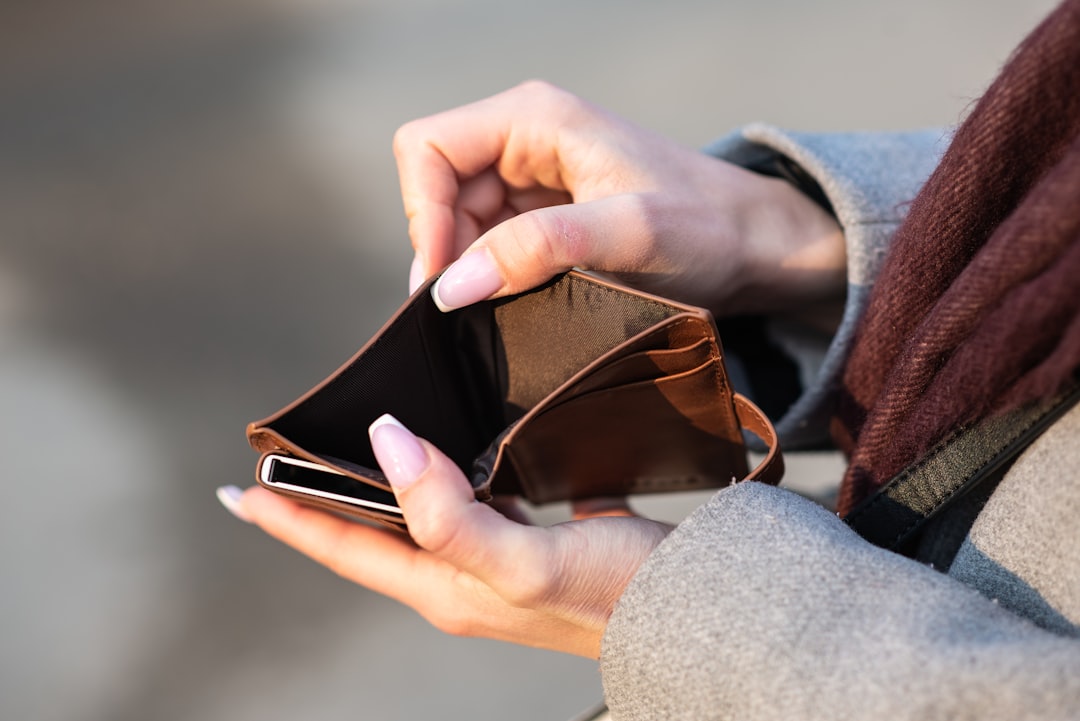
The honest answer: probably not. Brady says that “most projections do not include a reversal of recent spikes.” Instead, she expects inflation to slowly ease toward 2% over the next few years.
It’s not the news any of us wanted. But it does mean the worst of the increases may be behind us.
Practical Ways to Stretch Your Dollar
Brady recommends two main approaches when financial pressure builds: cut spending and look for ways to increase income. “If you haven’t reexamined your spending in recent years, take the time to review your financial statements and find expenses that can be cut or eliminated,” she says.
That doesn’t have to mean giving up the things you enjoy. A few ideas from the article are worth considering:
- Swap stadium concerts for free outdoor performances in your community
- Catch a matinee, usually at least $5 cheaper than an evening showing
- Pick up takeout in person instead of using a delivery app to avoid fees, service charges, and tips
- Look into minor league sports games as a more affordable live entertainment option
Small adjustments can add up to real savings, and that’s money that stays right where it belongs: in your pocket.