

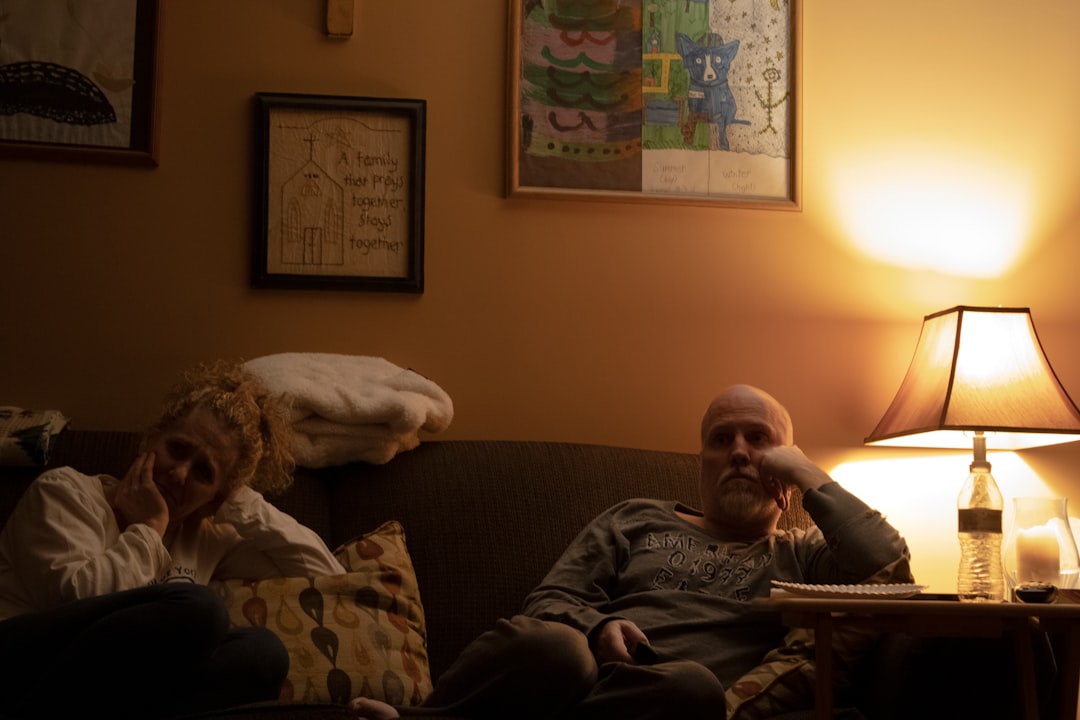
Some of the most memorable movies have never been about superheroes, fantastical adventures, or spectacular special effects. Instead, they have focused on ordinary people living recognizable lives—raising families, navigating friendships, struggling with work, aging, falling in love, or simply trying to figure things out day by day.
It is precisely this focus on the ordinary that has caused these films to linger so long with views.
Ordinary Settings Make Stories Feel Real
Many beloved films take place in environments people immediately recognize:
- family kitchens
- quiet neighborhoods
- diners
- small apartments
- local bars
- front porches
- road trips between familiar towns
Movies like Terms of Endearment, Steel Magnolias, and The Breakfast Club center much of their emotional power around everyday locations—characters’ homes, churches, and schools—rather than remote or extravagant locales.
The settings feel lived-in and familiar instead of theatrical, allowing the audience to place themselves in the same chairs, at the same desks, or along the same streets as the characters.
The Conflicts Were Personal Rather Than Dramatic
Like their settings, these films depict real-life situations and topics:
- family tension
- loneliness
- changing friendships
- growing older
- career disappointment
- caregiving
- starting over after loss
In Ordinary People, for instance, much of the story unfolds through quiet family interactions and grief that feels painfully realistic. Similarly, On Golden Pond explores aging, memory, and family reconciliation through long conversations and emotional history rather than dramatic plot twists.
In both films, the emotional stakes feel real because they’re recognizable.
Small Moments Become the Most Memorable
In many slice-of-life films, the scenes that stand out most prominently are those that might otherwise seem minor:
- conversations around dinner tables
- sitting quietly on porches
- long drives
- arguments that feel unresolved
- moments of awkward humor
- people simply spending time together
Films like The Straight Story or Nobody’s Fool move slowly enough to let ordinary moments carry emotional weight. These films trust viewers to notice subtle human behavior—and to see themselves and their experiences in it.
The Characters Feel Human
Part of what made these movies resonate is how they portray their characters. They often behave inconsistently, emotionally, or imperfectly—just like real people do. They make mistakes, change their minds, misunderstand each other, or struggle to express themselves clearly. As a result, viewers often see parts of their own families, friendships, or personalities reflected back at them.
These Films Regularly Age Well
Interestingly, movies grounded in everyday life frequently remain meaningful decades later. While technology, styles, and language evolve over time, people largely remain the same across generations. Relationships, regret, humor, loneliness, forgiveness, and companionship do not become outdated easily.
When a film’s subject matter is innately human, it’s hard for that film to become outdated,
Why This Matters
Movies that reflect ordinary life remind viewers that everyday experiences are worthy of attention too. They find meaning not through fantasy or spectacle but through honesty, familiarity, reflection, and emotional recognition.